.png)
.png)


Gum Disease in Monument, CO
Treat gum disease early to stop tissue damage, reduce inflammation, and keep your teeth stable for the long run.
.jpg)
Experiencing a Dental Emergency in Monument, CO?
What Is Gum Disease?
Bleeding when you brush is easy to ignore, but it is one of the earliest signs of gum disease. The condition starts when bacteria in plaque irritate the tissue along your gumline, causing redness, swelling, and tenderness. At this stage, called gingivitis, the damage is reversible. Regular Dental Cleanings can remove the buildup your toothbrush misses and get things back on track.
Left alone, gingivitis progresses into periodontitis. The infection moves below the gumline, creating pockets between your teeth and bone. Over time, bone breaks down and teeth loosen. That progression is why the team at Advanced Dental & Implant Center screens for gum disease at every visit. Catching it early means simpler treatment, less discomfort, and a much better long-term outcome for your teeth.
Benefits of Gum Disease
Treating gum disease early protects more than your gums. It helps preserve the bone, teeth, and tissue that keep your whole smile stable.

Severe toothache
A sudden toothache can make it hard to eat, sleep, or focus. It’s often caused by decay, infection, or gum irritation. We find what’s causing the pain and treat it quickly to help you feel comfortable again.

Knocked-out tooth
If your tooth gets knocked out, time is critical. Keeping it moist and getting to our office right away can help save it. Our team acts fast to reattach your tooth and protect your smile from long-term damage.
Broken & cracked tooth
A broken tooth can be painful and sensitive to temperature. If left untreated, it can lead to infection or further damage. We repair the tooth using strong materials that restore comfort and natural function.
Lost fillings or crowns
When a filling or crown comes loose, the tooth underneath is left unprotected and sensitive. We’ll clean the area and replace your restoration to seal and strengthen the tooth, keeping your smile pain-free.
Dental abscesses
A dental abscess is a serious infection that causes swelling and throbbing pain. It needs prompt care. We drain the infection, clean the area, and treat the cause to prevent it from spreading to other parts of your mouth.
Soft tissue injuries
Cuts or injuries to your gums, tongue, or lips can bleed and feel sore. We gently clean and treat the wound, stop the bleeding, and make sure there’s no hidden damage so you can heal comfortably and quickly.
Stop Bone Loss Before It Starts
Gum disease quietly breaks down the bone holding your teeth in place. Catching it early and treating it thoroughly can halt that process, keeping your teeth secure and stable instead of getting loose.
Fresher Breath That Lasts
Chronic bad breath often traces back to bacteria trapped in infected gum pockets. Cleaning out those pockets removes the source of the odor, not just the symptom. Most patients notice a fast change.
Keep Your Natural Teeth Longer
Tooth loss in adults is more often caused by gum disease than by cavities. Treatment targets the infection and gives your gums a chance to reattach and heal around each tooth before damage spreads.

Signs You Might Have Gum Disease
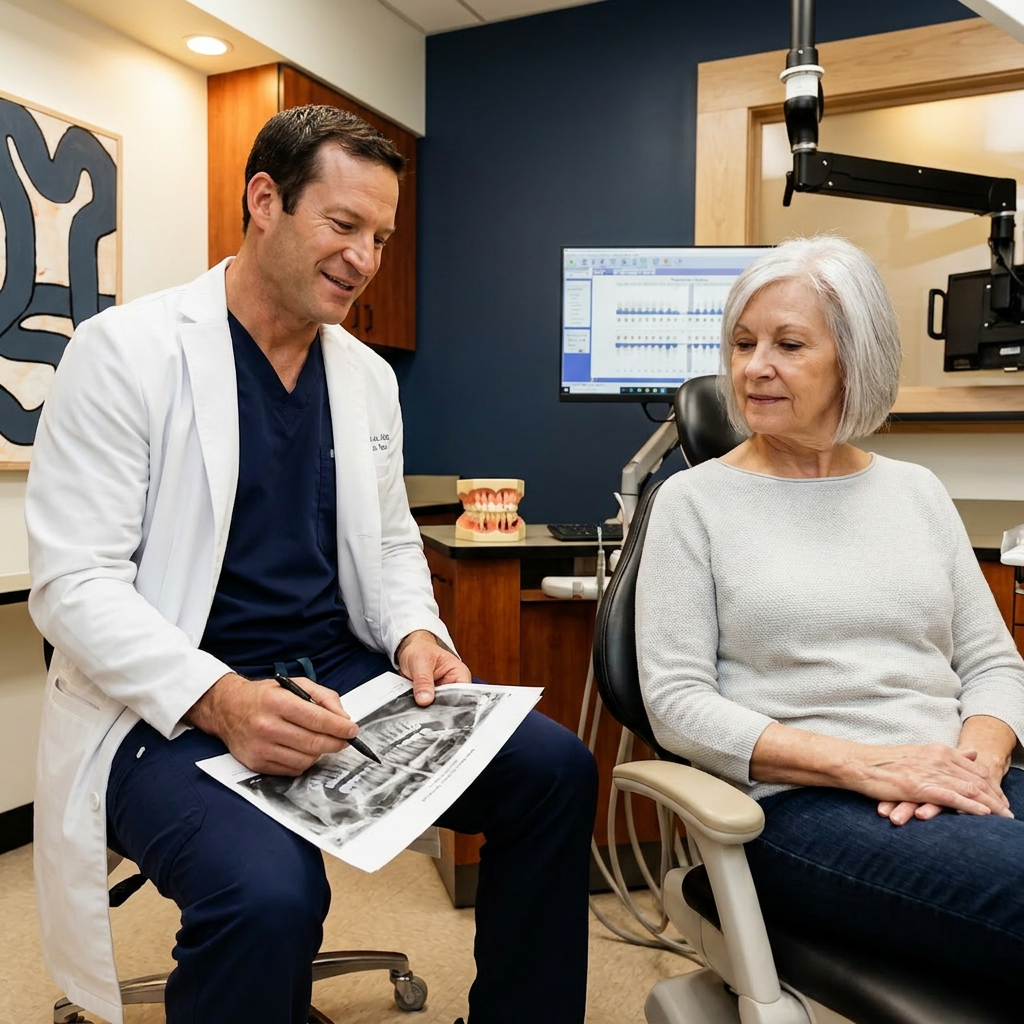
If your gums bleed when you brush or floss, that is not normal. Healthy gum tissue does not bleed from routine cleaning. Bleeding is one of the earliest signs of gum disease, and it often shows up alongside redness, puffiness, or tenderness along the gumline. You might also notice persistent bad breath that mouthwash cannot fix. These symptoms are common in adults who have gone a few years without regular Dental Cleanings.
Gum disease does not only affect people who skip brushing. Hormonal changes, certain medications, diabetes, and smoking all raise your risk. Some patients at Advanced Dental & Implant Center in Monument, CO discover the problem during routine Exams & X-Rays, before any symptoms appear at all. The earlier it is caught, the simpler treatment tends to be. Even if your symptoms feel minor right now, gum tissue does not heal on its own once infection sets in.
Advanced Gum Disease Technology
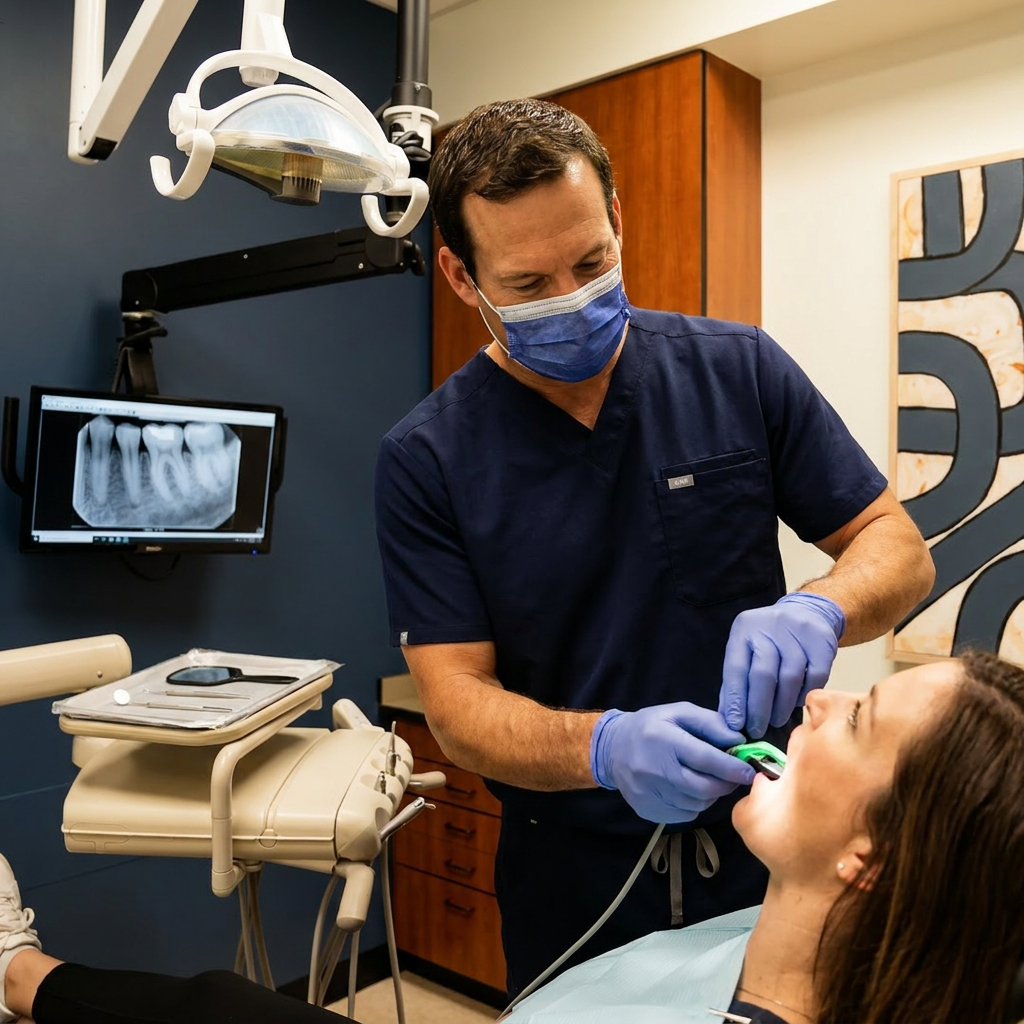
Detecting gum disease used to rely almost entirely on a metal probe and a visual check. Today, digital X-rays at Advanced Dental & Implant Center reveal bone loss around individual teeth with far greater clarity than traditional film, and at a fraction of the radiation exposure. Detailed imaging lets your dentist measure exactly how much support each tooth still has, so treatment targets the right areas from the start.
For deeper infections, ultrasonic scalers do much of the heavy lifting during cleaning below the gumline. These instruments use rapid vibrations and a stream of water to break apart hardened tartar without the aggressive scraping patients remember from years past. The result is a more thorough cleaning that is also gentler on inflamed tissue, which means less soreness in the days that follow.
What to Expect During Your Visit
Your dentist starts with a gentle exam and measures the pocket depth around each tooth using a thin probe. You barely feel it. If gum disease is caught early, a professional cleaning may be all you need. For deeper pockets, scaling and root planing smooths bacteria off the root surfaces below the gumline. The area is numbed beforehand, so most patients feel only mild pressure during the process.
Your gums may feel tender for a day or two afterward, and slight sensitivity to hot or cold is normal. Most people return to regular eating within 24 hours. The team at Advanced Dental & Implant Center typically schedules a follow-up in four to six weeks to check healing and re-measure pocket depth, making sure your gums are responding well.
Before Appointment
Write down when you first noticed bleeding, swelling, or tenderness in your gums so your dentist can track how long symptoms have been present.
Skip mouthwash that contains alcohol for 24 hours before your visit, since it can mask gum inflammation your dentist needs to see clearly.
Bring a list of any medications you take, especially blood thinners, because they affect how your gum tissue responds during probing and measurement.
After Appointment
Rinse gently with warm salt water two to three times a day for the first week to help your gum tissue heal after treatment.
Switch to a soft-bristled toothbrush and use light, short strokes along the gumline to avoid irritating treated areas.
Hold off on smoking for at least 72 hours, since tobacco slows gum healing and raises the risk of reinfection.
Frequently Asked Questions
We’ve answered the most frequently asked questions to help you feel informed, prepared, and confident before your appointment.
Can gum disease come back after treatment?


Yes. Gum disease is manageable but not permanently curable once it progresses past gingivitis. Staying consistent with brushing, flossing, and routine Dental Cleanings every three to six months keeps bacteria levels low and prevents tissue breakdown from returning.
Is gum disease linked to other health problems?
Research connects untreated gum disease to higher risks of heart disease, stroke, and complications with diabetes. Oral bacteria can enter the bloodstream through inflamed gum tissue. Treating the infection in your mouth may reduce inflammatory stress on the rest of your body.
How do I know if gum disease is mild or advanced?
Gingivitis causes red, puffy gums that bleed when you brush. Periodontitis involves bone loss, receding gums, and sometimes loose teeth. Your dentist measures pocket depths around each tooth during Exams & X-Rays to determine exactly how far the condition has progressed.
Can I still get gum disease treatment if I'm pregnant?
Pregnancy actually raises your risk because hormonal changes make gum tissue more sensitive to bacteria. Gentle cleanings and non-surgical treatment are generally safe during the second trimester. Your dentist will coordinate with your OB to choose the right timing.
How often will I need follow-up visits after gum disease treatment?
Most patients return every three to four months for maintenance cleanings during the first year. After that, your dentist evaluates pocket depths and may extend the interval to every six months if your tissue stays stable and home care is consistent.
What Our Patients Say
Patients in Monument trust us because we listen, explain clearly, and treat them like people — not chart numbers. Here's what they have to say about their time with Dr. Hill and Dr. Nguyen.
Book Your Appointment Today
New patients are always welcome. Reach out online or give us a call to get started.
When You Can Visit
Monday – Thursday: 8:00 AM – 5:00 PM
Friday – Sunday: Closed
- (719) 445-0490
Speak With Our Team
- frontdesk@bestmonumentdentist.com
Send Us an Email
- 16055 Old Forest Point Ste 200, Monument, CO 80132
Find Us Here

Thank you for booking your appointment!
We've received your request and will contact you soon to confirm the details. We look forward to seeing you at Advanced Dental & Implant Center.
Stay Informed with Expert Insights & Tips About Gum Disease

No Blog Posts Yet
We’re working on new articles to help you care for your smile.
Check back soon for updates from Advanced Dental & Implant Center.
Pay Your Bill {{si}}Online{{/si}}
Pay your bill quickly and securely from the comfort of your home. We make it easy to stay on top of your payments.
.png)


-
Quick & Convenient
-
Secure Payments
-
Multiple Payment Options
-
Easy Payment History
Scan To Pay
Scan the QR code with your smartphone to complete your payment in just a few moments.