.png)
.png)


Bone Grafting in Monument, CO
Rebuild lost jawbone to create a solid foundation for dental implants and long-term oral health.
.jpg)
Experiencing a Dental Emergency in Monument, CO?
What Is Bone Grafting?
After a tooth is lost or extracted, the jawbone in that area starts to shrink. It can lose up to 25% of its width in the first year alone. Bone grafting places new bone material into the weakened area, giving your body a scaffold to grow fresh, dense bone around. The graft material may come from your own body, a donor source, or a biocompatible synthetic.
The new bone that forms over the following months restores the volume and strength your jaw needs. For many patients in Monument, CO, bone grafting is the step that makes Full-Arch Dental Implants or other tooth replacement possible when it otherwise wouldn't be. Your dentist at Advanced Dental & Implant Center evaluates the graft site with imaging first so the amount and type of material match your specific anatomy.
Benefits of Bone Grafting
Bone grafting rebuilds the jawbone structure you need before moving forward with dental implants or other restorative work.
Severe toothache
A sudden toothache can make it hard to eat, sleep, or focus. It’s often caused by decay, infection, or gum irritation. We find what’s causing the pain and treat it quickly to help you feel comfortable again.
Knocked-out tooth
If your tooth gets knocked out, time is critical. Keeping it moist and getting to our office right away can help save it. Our team acts fast to reattach your tooth and protect your smile from long-term damage.
Broken & cracked tooth
A broken tooth can be painful and sensitive to temperature. If left untreated, it can lead to infection or further damage. We repair the tooth using strong materials that restore comfort and natural function.
Lost fillings or crowns
When a filling or crown comes loose, the tooth underneath is left unprotected and sensitive. We’ll clean the area and replace your restoration to seal and strengthen the tooth, keeping your smile pain-free.
Dental abscesses
A dental abscess is a serious infection that causes swelling and throbbing pain. It needs prompt care. We drain the infection, clean the area, and treat the cause to prevent it from spreading to other parts of your mouth.
Soft tissue injuries
Cuts or injuries to your gums, tongue, or lips can bleed and feel sore. We gently clean and treat the wound, stop the bleeding, and make sure there’s no hidden damage so you can heal comfortably and quickly.
A Stable Base for Your Implant
A thin or receding jawbone cannot anchor an implant securely. Bone grafting adds volume and density right where it counts, so your implant sits in a strong, lasting foundation from day one.
Stops Jawbone Loss in Its Tracks
After a tooth comes out, the surrounding bone starts to shrink. A graft placed at the time of extraction fills the empty socket and signals your body to keep building bone instead of losing it.
Faster Healing Than You'd Think
Most graft sites heal within three to six months. During that window, your own bone cells gradually replace the graft material. The final result is living bone, not a permanent synthetic filler.

Who Needs Bone Grafting?
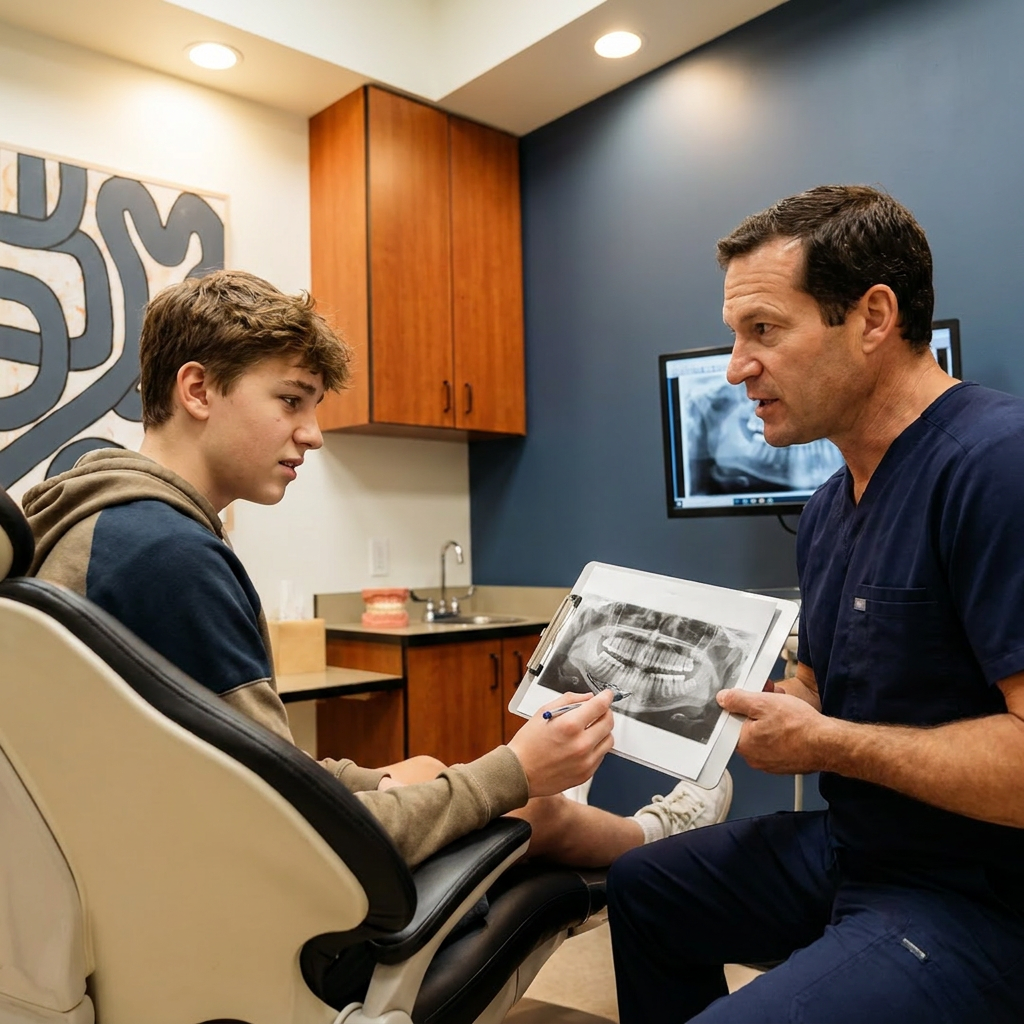
If your dentist has told you there isn't enough bone to support an implant, bone grafting is likely the next step. This is one of the most common reasons patients in Monument, CO hear about the procedure. Jawbone loss happens gradually after tooth extractions, and many people don't realize it's occurred until they explore replacement options like Full-Arch Dental Implants or Dental Bridges that require a solid foundation.
Long-term Gum Disease is another frequent cause of bone loss, slowly breaking down the tissue that holds teeth in place. Some patients also lose bone density after an injury or infection. Age plays a role too, though grafting works well for adults across a wide range. The procedure has decades of clinical success behind it, and most patients heal without complications within a few months.
Advanced Bone Grafting Technology
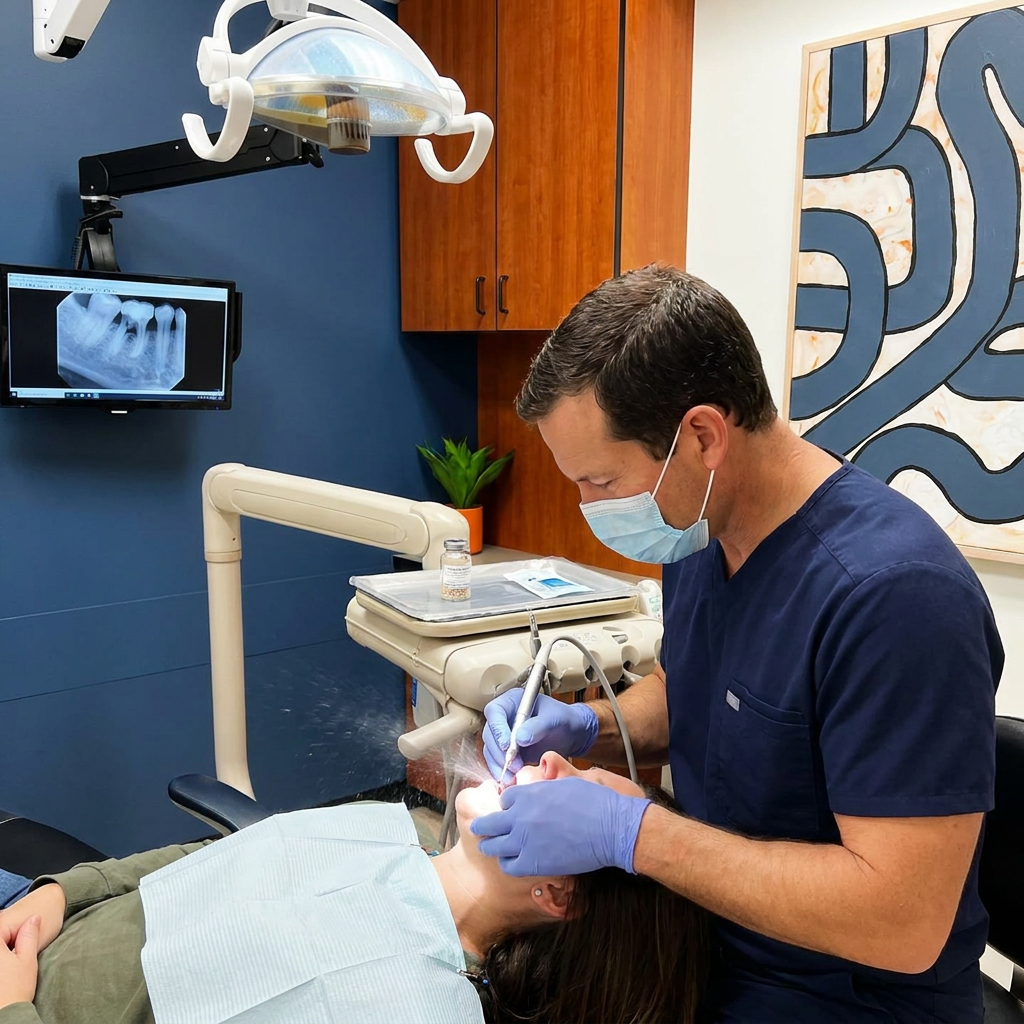
Cone beam CT scanning gives your dentist a full 3D view of your jawbone before any grafting begins. Older flat X-rays could only show bone in two dimensions, which meant some deficiencies went undetected until surgery. A cone beam scan maps bone density, nerve pathways, and sinus proximity down to a fraction of a millimeter, so the graft can be planned with precision before you're ever in the chair.
Graft materials have improved significantly too. Biologics like platelet-rich fibrin, drawn from a small sample of your own blood, are applied directly to the surgical site to speed healing and reduce swelling. The team at Advanced Dental & Implant Center also uses resorbable membranes that protect the graft while new bone grows, then dissolve on their own so you avoid a second procedure to remove them.
What to Expect During Your Visit
Bone grafting starts with your dentist numbing the site completely, so you feel pressure but no pain during the procedure. A small incision opens the gum tissue, and the grafting material is placed directly into the area where bone has thinned. The dentist secures it with a membrane, then closes everything with a few stitches. Most appointments take 45 minutes to an hour.
Some swelling and mild soreness are normal for the first two or three days, and over-the-counter pain relief handles it well for most people. You will stick to soft foods for about a week while the site heals. New bone growth typically takes three to six months, and your dentist monitors progress at follow-up visits before moving ahead with the next step.
Before Appointment
Mention any blood thinners or supplements like aspirin, vitamin E, or fish oil so your dentist can advise whether to pause them before the bone graft.
Eat a solid meal two to three hours before your appointment, since you will not be able to chew comfortably on the graft site for a while afterward.
Arrange a ride home if sedation is part of your bone grafting plan, and wear a short-sleeved shirt for easy IV access.
After Appointment
Stick to soft, cool foods like yogurt, smoothies, and mashed potatoes for the first three to four days while the graft site stabilizes.
Rinse gently with warm salt water starting 24 hours after surgery, but avoid swishing hard enough to disturb the graft material.
Hold off on exercise, bending over, and heavy lifting for at least five days so the blood clot protecting the graft stays intact.
Frequently Asked Questions
We’ve answered the most frequently asked questions to help you feel informed, prepared, and confident before your appointment.
How long does a bone graft last once it heals?


A fully healed bone graft becomes part of your natural jawbone and can last a lifetime. The grafted area remodels and strengthens over several months, and once integrated, it behaves just like your original bone tissue.
Can bone grafting be done if I have gum disease?
Active gum disease needs to be controlled first. Infection around the graft site can prevent the new bone from integrating. Your dentist will treat the gum condition before scheduling bone grafting to give you the best chance of success.
Am I too old for a bone graft procedure?
Age alone rarely disqualifies someone. Bone grafting has been performed successfully on patients well into their 80s. Overall health, medication use, and bone quality matter more than your birth date when planning the procedure.
How soon after bone grafting can I get dental implants?
Most patients need four to six months of healing before the grafted bone is strong enough to support Full-Mouth Dental Implants. Your dentist monitors progress with periodic X-rays and schedules implant placement once the site shows solid integration.
Will bone grafting affect my ability to eat or talk while healing?
You can usually return to soft foods within a day or two. Speaking feels normal almost immediately. Most patients at Advanced Dental & Implant Center are back to their regular diet within two to three weeks as the site heals.
What Our Patients Say
Patients in Monument trust us because we listen, explain clearly, and treat them like people — not chart numbers. Here's what they have to say about their time with Dr. Hill and Dr. Nguyen.
Book Your Appointment Today
New patients are always welcome. Reach out online or give us a call to get started.
When You Can Visit
Monday – Thursday: 8:00 AM – 5:00 PM
Friday – Sunday: Closed
- (719) 445-0490
Speak With Our Team
- frontdesk@bestmonumentdentist.com
Send Us an Email
- 16055 Old Forest Point Ste 200, Monument, CO 80132
Find Us Here
Thank you for booking your appointment!
We've received your request and will contact you soon to confirm the details. We look forward to seeing you at Advanced Dental & Implant Center.
Stay Informed with Expert Insights & Tips About Bone Grafting

No Blog Posts Yet
We’re working on new articles to help you care for your smile.
Check back soon for updates from Advanced Dental & Implant Center.
Pay Your Bill {{si}}Online{{/si}}
Pay your bill quickly and securely from the comfort of your home. We make it easy to stay on top of your payments.
.png)


-
Quick & Convenient
-
Secure Payments
-
Multiple Payment Options
-
Easy Payment History
Scan To Pay
Scan the QR code with your smartphone to complete your payment in just a few moments.