Back to Blogs

Are Whitening Strips Bad for Your Teeth?

Improper use of whitening strips can cause temporary tooth sensitivity and gum irritation, but professional guidance ensures safe, effective brightening.

September 3, 2026
5 min read
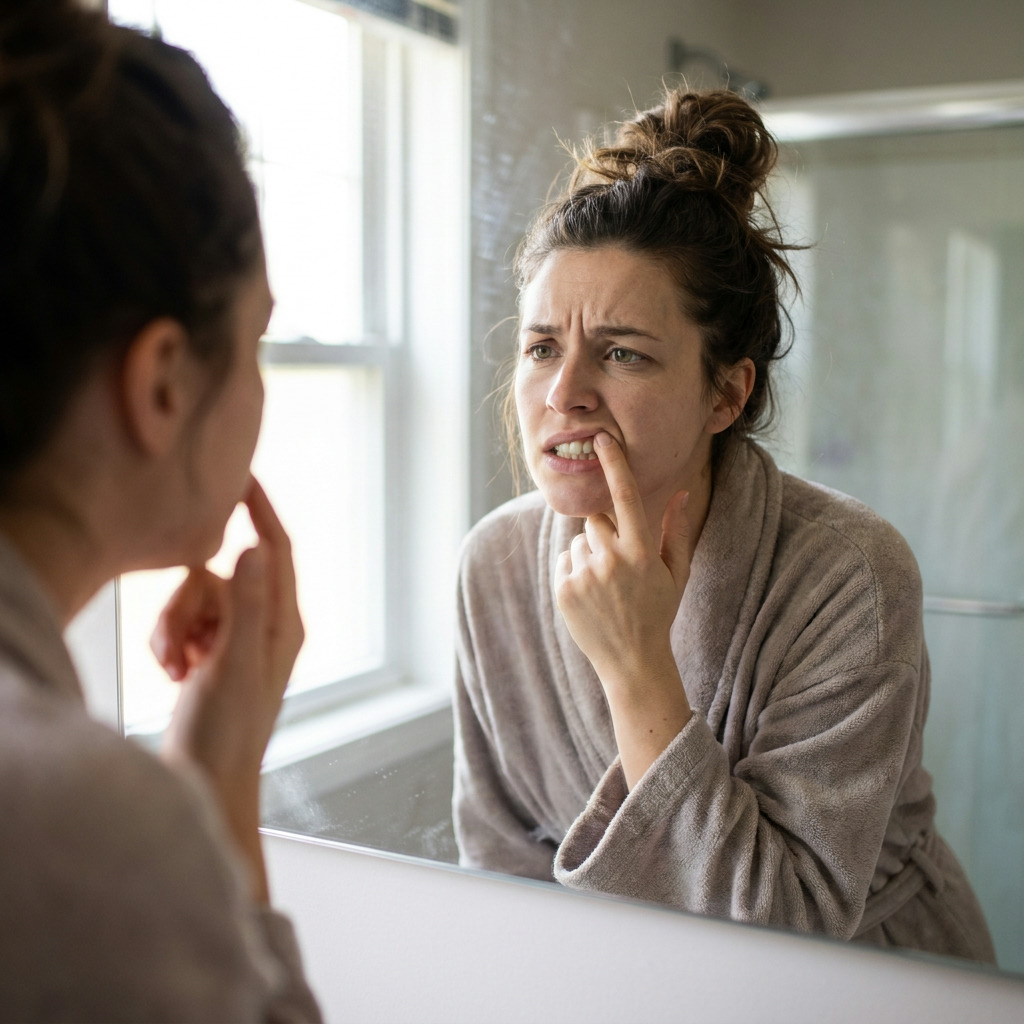
Sarah, wearing a brown robe with her hair in a messy bun, looks into a bathroom mirror, lifting her upper lip with her finger to inspect her teeth with a concerned expression.
Back to Blogs
Sarah, wearing a brown robe with her hair in a messy bun, looks into a bathroom mirror, lifting her upper lip with her finger to inspect her teeth with a concerned expression.

Are Whitening Strips Bad for Your Teeth?

Improper use of whitening strips can cause temporary tooth sensitivity and gum irritation, but professional guidance ensures safe, effective brightening.

September 3, 2026
5 min read

The Truth About Whitening Strips

Whitening strips are generally safe for most individuals when used correctly and according to product instructions, but they are not entirely without risks. Potential issues include temporary tooth sensitivity and gum irritation, especially with overuse or improper application. For personalized advice, consult with a dental professional.

While many over-the-counter (OTC) whitening products promise a brighter smile, it's essential to understand their mechanisms and potential drawbacks. Whitening strips contain hydrogen peroxide or carbamide peroxide, which penetrate the enamel to break down stains. These products can be effective for surface stains.

However, their effectiveness and safety depend heavily on proper use. Misapplication or exceeding recommended treatment times can lead to adverse effects. At Advanced Dental & Implant Center in Monument, CO, we encourage patients to discuss any at-home whitening plans with Dr. Scott R. Hill to ensure they are making the best choice for their oral health.

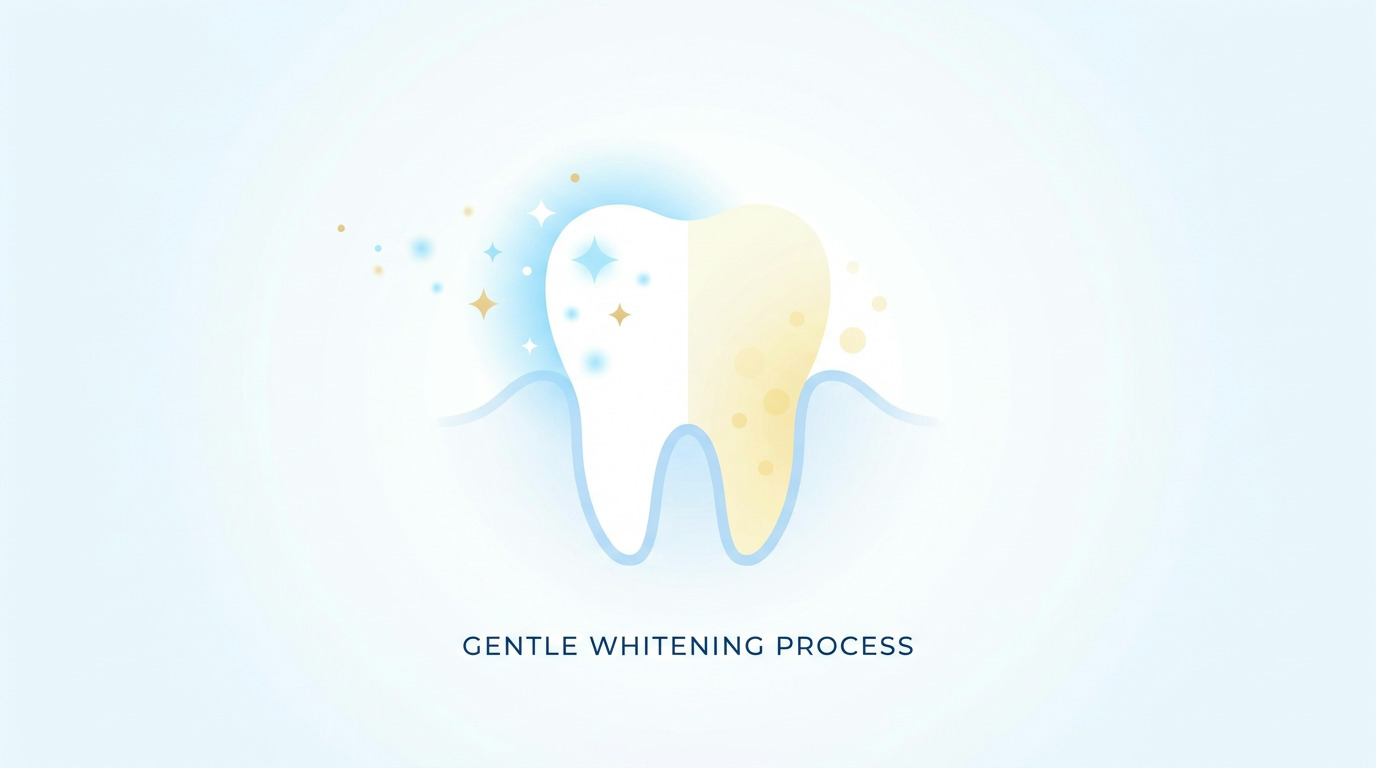
A stylized illustration shows a tooth split vertically, with the left half sparkling white surrounded by blue and gold sparkles, and the right half yellow with small yellow spots, all above a blue gumline. The text "GENTLE WHITENING

How Do Whitening Strips Affect Your Teeth?

Whitening strips primarily affect teeth by using peroxide-based chemicals to bleach stains, which can lead to temporary tooth sensitivity and gum irritation. They work by penetrating the enamel to oxidize stain molecules, but improper use can damage gum tissue or exacerbate existing dental issues.

When you apply whitening strips, the peroxide gel comes into contact with your tooth enamel. This active ingredient then begins to break down the chromogens (colored compounds) that cause stains. While this process is generally effective for extrinsic stains, it can have several effects on your oral tissues.

Common Side Effects of Whitening Strips

  • Tooth Sensitivity: Many individuals experience temporary sensitivity to hot or cold foods and drinks after using whitening strips. This occurs because the peroxide can temporarily increase the porosity of the enamel, allowing external stimuli to reach the nerves within the tooth. This sensitivity typically subsides within a few days after stopping treatment.
  • Gum Irritation: If the whitening gel on the strips comes into prolonged contact with your gums, it can cause localized inflammation, redness, or even chemical burns. This is often due to improper strip placement or leaving them on for too long.
  • Uneven Whitening: Strips are flat and may not conform perfectly to the contours of every tooth, especially between teeth or on irregularly shaped teeth. This can result in a noticeably uneven whitening effect.
  • Enamel Erosion (Rare): While rare with proper use, excessive or prolonged use of high-concentration peroxide strips could theoretically contribute to enamel wear over a very long period, especially if pre-existing enamel issues are present. Always adhere to package instructions carefully.
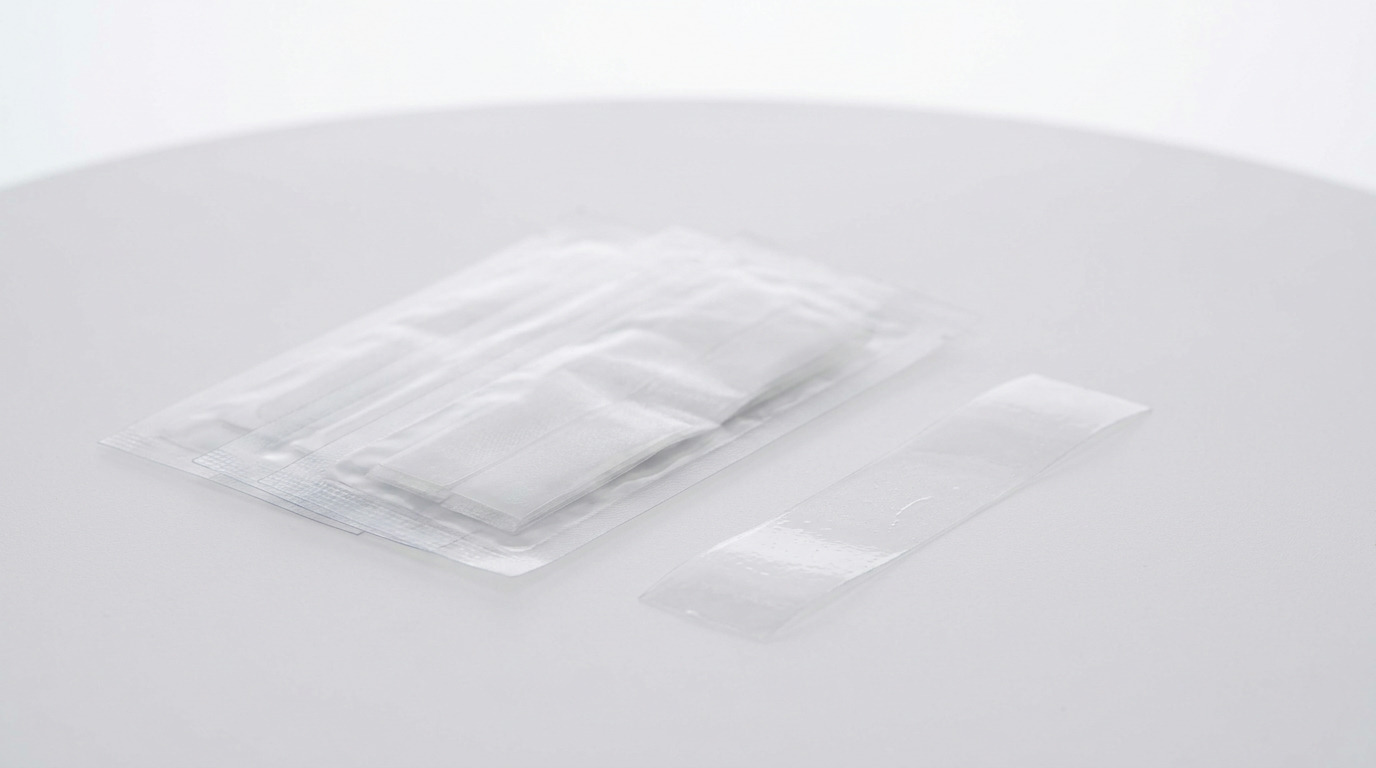
Several translucent whitening strips, some in individual packaging and one unwrapped, lie on a clean white surface.

Are Whitening Strips Bad for Your Gums?

Whitening strips can be bad for your gums if used improperly, leading to irritation, inflammation, or chemical burns. This usually happens when the peroxide gel on the strip makes prolonged contact with delicate gum tissue, rather than just the tooth surface. Always ensure precise application.

The health of your gums is paramount, and it's a common concern whether whitening strips pose a risk to them. The active bleaching agents, typically hydrogen peroxide or carbamide peroxide, are strong chemicals designed to whiten teeth, not soft tissues. When these agents come into direct contact with the gums for an extended period, they can cause a reaction.

Protecting Your Gums During Whitening

  • Accurate Placement: Ensure the strip adheres only to the tooth surface, avoiding overlap onto the gums. Trimming strips if they are too large for your teeth can help prevent contact.
  • Follow Instructions: Never leave strips on longer than the recommended time. Exceeding the recommended duration significantly increases the risk of gum irritation.
  • Lower Concentration: If you have particularly sensitive gums, consider products with a lower concentration of peroxide, or consult Dr. Scott R. Hill for professional guidance.
  • Good Oral Hygiene: Healthy gums are more resilient. Regular brushing, flossing, and professional cleanings at Advanced Dental & Implant Center in Monument, CO, create a better foundation for any whitening treatment.
A glass of ice water with condensation and a steaming black coffee cup sit side by side on a dark, reflective surface.

Whitening Strips vs. Professional Teeth Whitening

Professional teeth whitening offers superior, more predictable results with greater safety than over-the-counter strips because it uses higher-concentration agents applied by a dentist. This allows for customized treatment, protection of soft tissues, and addresses intrinsic stains that strips cannot effectively treat.

The key difference between whitening strips and professional teeth whitening lies in the concentration of the bleaching agent and the supervision provided. OTC strips typically contain lower concentrations of peroxide, making them less potent and requiring more frequent, prolonged use for noticeable results. Professional treatments, offered by dentists like Dr. Scott R. Hill, use medical-grade whitening gels with significantly higher concentrations.

Beyond potency, professional whitening systems allow for precise application, often using custom-fitted trays or direct application with gum protection. This minimizes contact with soft tissues, greatly reducing the risk of irritation and ensuring uniform results. A dentist can also assess your oral health to confirm you are a suitable candidate for whitening, avoiding potential complications with existing dental work or conditions. For patients in Monument, CO, considering professional teeth whitening, Advanced Dental & Implant Center offers safe and effective solutions.

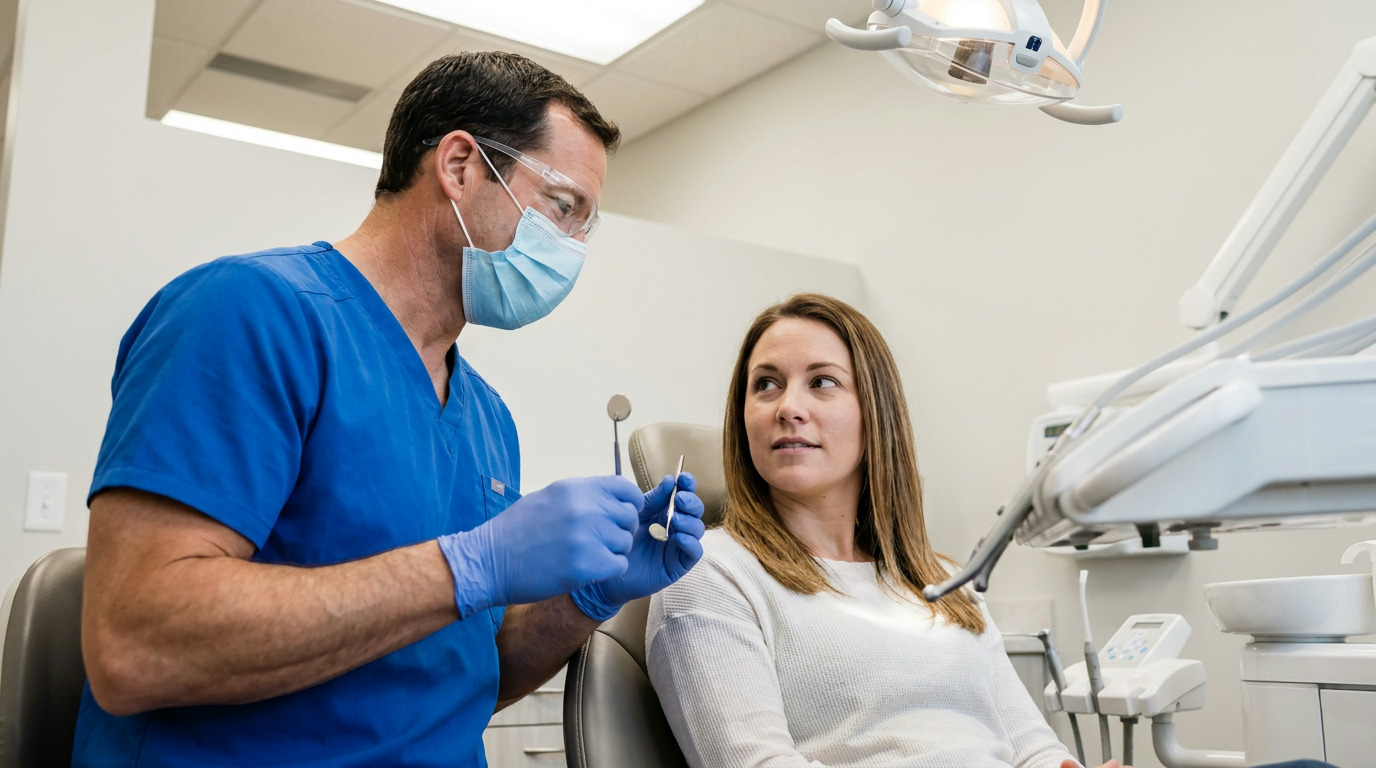
Dr. Scott R. Hill, wearing blue scrubs, safety glasses, and a mask, holds a dental mirror and instrument while looking at Amanda, who is seated in a dental chair and listening attentively in a well-lit operatory.

Schedule Your Whitening Consultation

Ready to explore the best and safest options for brightening your smile? Contact Advanced Dental & Implant Center in Monument, CO, today to schedule a personalized whitening consultation with Dr. Scott R. Hill. We’ll help you achieve the radiant smile you desire with confidence and care.

When Should You Avoid Whitening Strips?

You should avoid whitening strips if you have existing dental issues like gum disease, exposed tooth roots, or significant restorations, as they can exacerbate problems or cause uneven results. Pregnant or nursing individuals and those under 16 should also typically refrain from using them without professional dental advice.

While whitening strips are accessible, there are specific situations where their use is not recommended or could be detrimental. Understanding these scenarios can help protect your oral health. Dr. Scott R. Hill always recommends a comprehensive dental exam before starting any whitening regimen to identify potential issues.

Conditions to Consider Before Using Strips

  • Existing Dental Work: Whitening strips will not change the color of existing crowns, veneers, fillings, or bonding. This can lead to a noticeable color mismatch between your natural teeth and restorations, making the dental work more prominent.
  • Gum Disease or Receding Gums: If you have gingivitis, periodontitis, or exposed tooth roots due to gum recession, the bleaching agents can cause severe pain, irritation, and potentially damage these sensitive areas.
  • Tooth Decay or Cavities: Whitening on decayed teeth can cause intense pain and further damage, as the peroxide can penetrate directly into the tooth's sensitive inner layers.
  • Cracked or Chipped Teeth: Similar to cavities, cracks or chips can allow the whitening agent to reach the dentin and pulp, leading to significant discomfort or sensitivity.
  • Pregnancy or Nursing: The effects of whitening agents on developing fetuses or infants are not fully understood, so it's generally advised to avoid them during these periods as a precautionary measure.
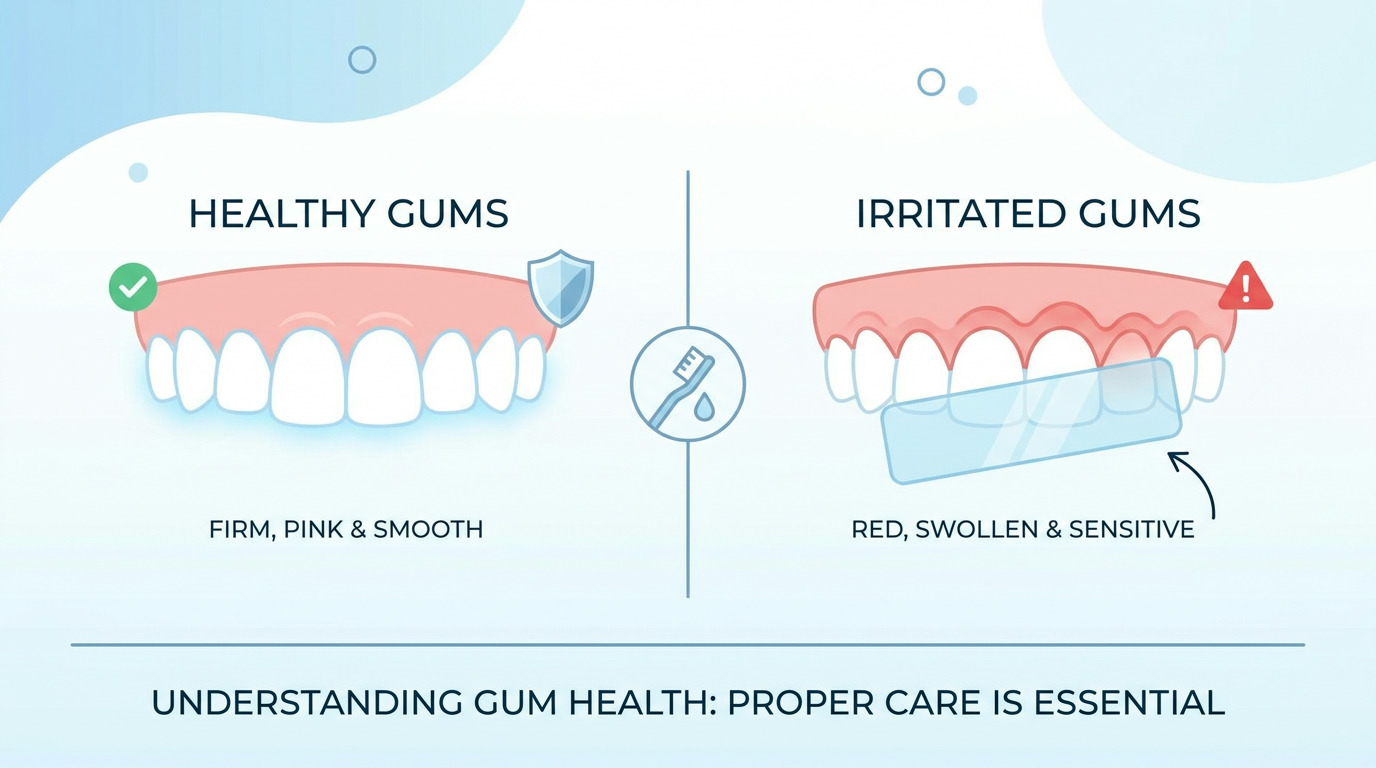
An infographic shows two sets of teeth with gums: one labeled "Healthy Gums" with a checkmark and shield, described as "FIRM, PINK & SMOOTH"; the other labeled "Irritated Gums" with an exclamation mark and a whitening strip, described as

How to Safely Use Over-the-Counter Whitening Products

To safely use over-the-counter whitening products like strips, always read and follow the manufacturer's instructions precisely, avoiding overuse or extended application times. Ensure good oral hygiene before application, and consult your dentist, especially if you experience sensitivity or irritation.

Using whitening strips effectively and safely requires adherence to proper guidelines. First, always purchase products from reputable brands and check the expiration date. A dental consultation with Dr. Scott R. Hill at Advanced Dental & Implant Center in Monument, CO, is a crucial first step to determine if strips are suitable for your specific oral health needs.

Once you have determined that strips are a viable option, carefully review the instructions provided with your product. Never exceed the recommended application time or frequency. Brushing your teeth gently before applying the strips can remove plaque, but avoid aggressive brushing immediately beforehand, as this can irritate gums. If you experience significant or prolonged sensitivity, stop using the product and contact your dental professional.

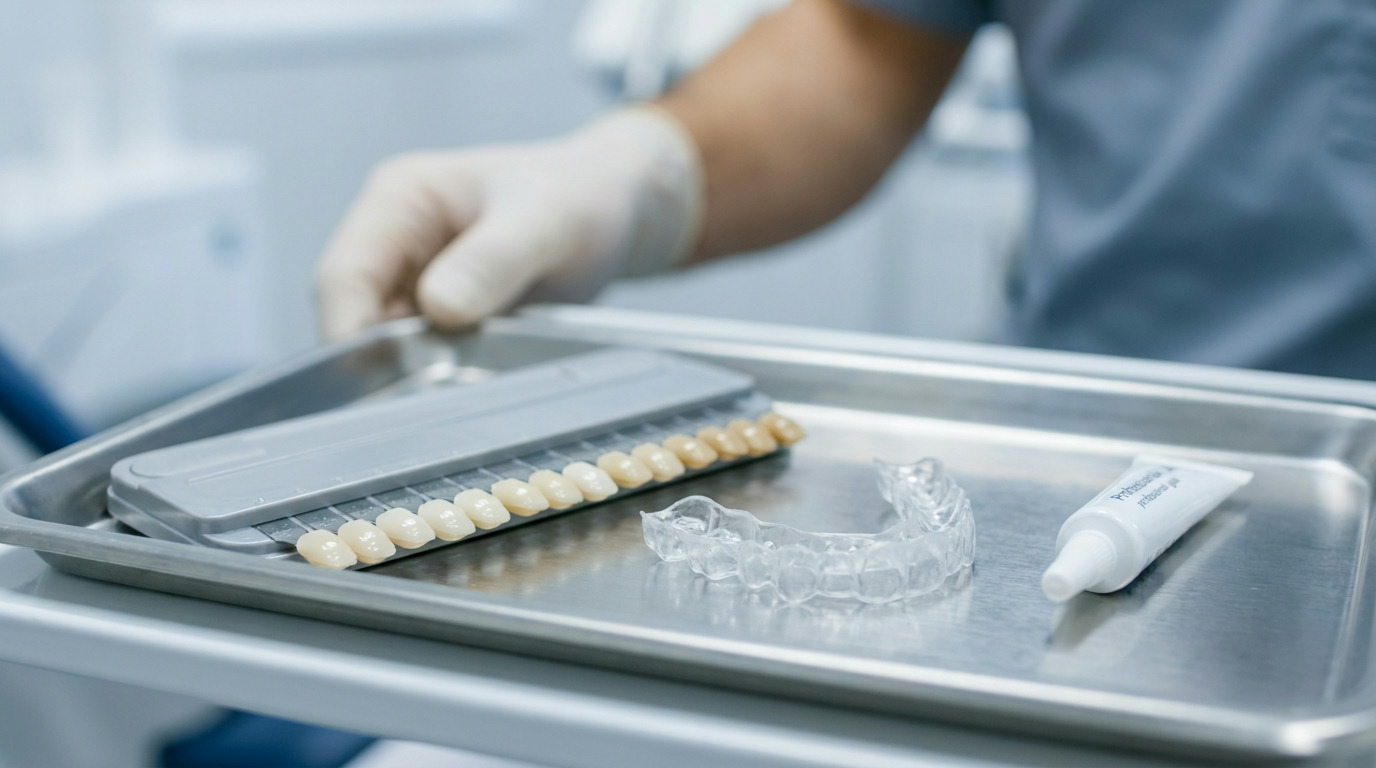
A gloved hand holds a dental tray with a teeth shade guide, a clear dental aligner, and a tube of whitening gel in a clinical setting.

What Are the Long-Term Effects of Whitening Strips?

Long-term effects of whitening strips typically include temporary sensitivity and gum irritation if misused. With prolonged and excessive use, there's a theoretical, but rare, risk of enamel wear or pulp damage. However, when used as directed, serious long-term complications are uncommon.

For most people who use whitening strips correctly and infrequently, the long-term effects are minimal and reversible. The primary concerns arise from chronic or improper use. It's important to understand that consistent exposure to bleaching agents, even at lower concentrations, can have cumulative impacts.

Potential Long-Term Considerations

  • Chronic Sensitivity: While temporary sensitivity is common, continuous use without breaks can sometimes lead to more persistent or recurring sensitivity in some individuals.
  • Gum Recession: Repeated irritation of the gums from poorly fitted or overused strips could potentially contribute to gum recession over time, exposing more tooth root surface.
  • Enamel Changes: Although enamel is very strong, the constant application of mild acids (present in some whitening gels) over many years, combined with improper oral hygiene, could theoretically contribute to subtle changes in enamel structure. This risk is minimal with recommended use.
  • Dependence on Whitening: Some individuals may develop a psychological dependence on whitening, leading to overuse in pursuit of an unnaturally bright shade, increasing all the associated risks.
  • Uneven Tooth Color: If initial whitening creates a stark contrast with existing restorations, the aesthetic imbalance will persist long-term unless those restorations are replaced by your dentist.
A person's hand holds a white dental crown next to a stained natural tooth on a light tile, with a person in a light shirt and tan pants visible in the background.

Making Informed Choices for Your Smile

Choosing the right teeth whitening method is a personal decision that impacts your oral health and smile aesthetics. While over-the-counter whitening strips can offer convenience and mild results for some, they are not a one-size-fits-all solution.

Understanding the potential benefits and drawbacks of whitening strips, as well as when to seek professional guidance, is key to achieving a brighter smile safely. For residents of Monument, CO, and surrounding areas, Dr. Scott R. Hill and the team at Advanced Dental & Implant Center are committed to helping you make informed decisions about your dental care. He can assess your unique oral health profile, discuss your aesthetic goals, and recommend the most effective and safest whitening options for you. This might include professional teeth whitening services, which offer a higher degree of safety and more dramatic, uniform results, or guidance on how to use at-home products responsibly. Ultimately, a healthy, radiant smile is one that is achieved with care and professional expertise.

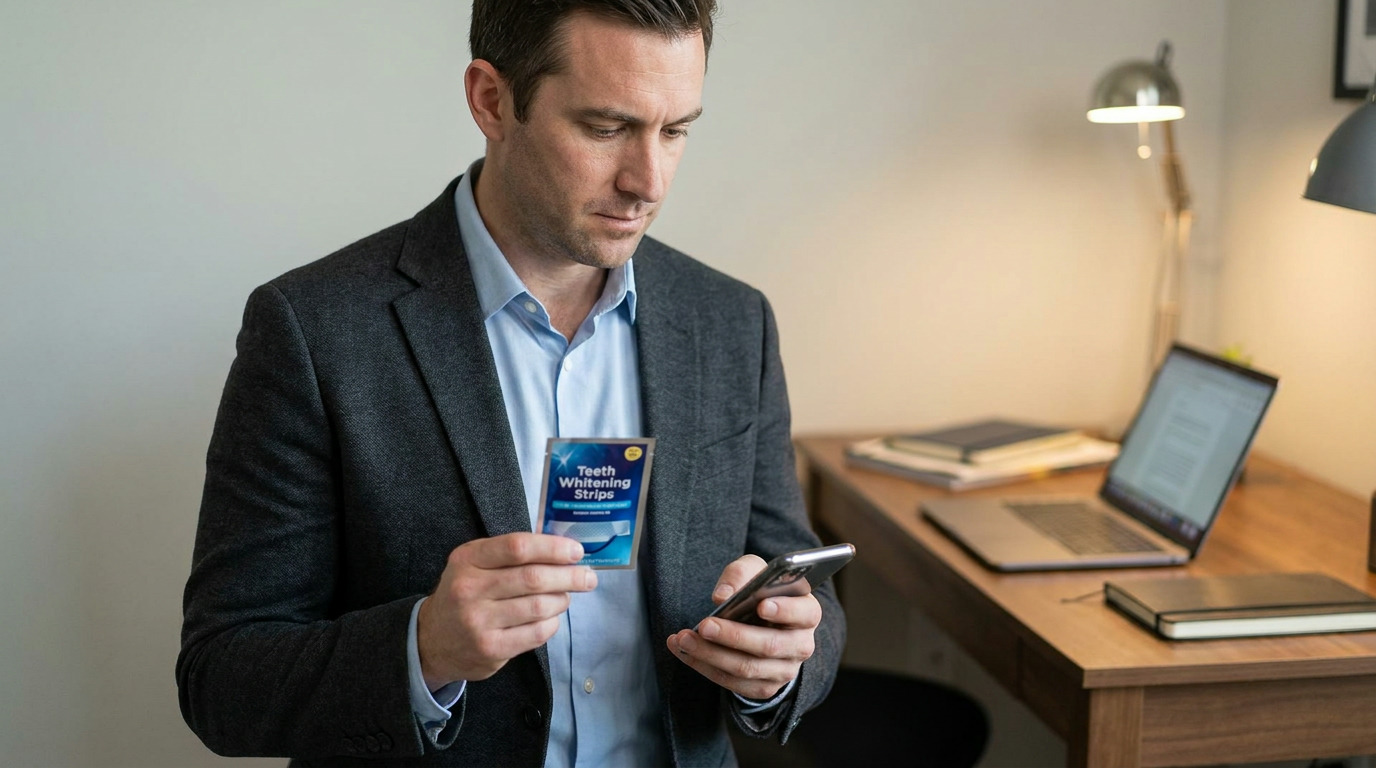
Connor, wearing a charcoal blazer and light blue shirt, holds a teeth whitening strip package and a smartphone while looking at the phone. A blurred office desk with a laptop and lamps is in the background.
Categories:
No items found.

Frequently Asked Questions

1. Are whitening strips bad for your teeth permanently?
No, when used as directed, whitening strips do not cause permanent damage to your teeth for most people. Any sensitivity or irritation is typically temporary.

2. What are the common side effects of using whitening strips?
Common side effects include temporary tooth sensitivity to hot and cold, and mild gum irritation if the gel contacts soft tissue. These usually subside quickly.

3. Can whitening strips damage enamel?
While rare with proper use, excessive or prolonged misuse of high-concentration whitening strips could theoretically contribute to subtle enamel changes over a very long time.

4. How long should I leave whitening strips on?
Always follow the specific instructions on your product's packaging. Leaving strips on longer than recommended increases the risk of sensitivity and gum irritation.

5. Can I use whitening strips if I have dental fillings or crowns?
Whitening strips will not change the color of existing dental work like fillings, crowns, or veneers. This can result in uneven tooth color.

6. Is professional teeth whitening safer than strips?
Yes, professional teeth whitening performed by Dr. Scott R. Hill is generally safer and more effective due to higher-concentration gels, protective measures for gums, and expert supervision.

7. What happens if whitening strip gel gets on my gums?
If whitening strip gel gets on your gums, it can cause temporary irritation, redness, or a burning sensation. Rinse your mouth thoroughly and adjust strip placement for future use.

8. Can children or teenagers use whitening strips?
It is generally not recommended for children under 16 to use whitening strips, as their teeth are still developing and may be more susceptible to sensitivity. Consult Dr. Scott R. Hill first.

9. How can I reduce tooth sensitivity from whitening strips?
To reduce sensitivity, try using strips less frequently, for shorter durations, or switch to a lower-concentration product. Using a desensitizing toothpaste can also help.

10. Should I consult a dentist before using whitening strips?
Yes, it's always advisable to consult Dr. Scott R. Hill before starting any at-home whitening treatment to ensure your teeth and gums are healthy enough.
Book Your Appointment Today

New patients are always welcome. Reach out online or give us a call to get started.

Thank you for booking your appointment!

We've received your request and will contact you soon to confirm the details. We look forward to seeing you at Advanced Dental & Implant Center.

Oops! Something went wrong while submitting the form.

Pay Your Bill {{si}}Online{{/si}}

Pay your bill quickly and securely from the comfort of your home. We make it easy to stay on top of your payments.

Financing Options Offered:
  • Quick & Convenient

  • Secure Payments

  • Multiple Payment Options

  • Easy Payment History

Scan To Pay

Scan the QR code with your smartphone to complete your payment in just a few moments.

Scan this QR code with your smartphone to securely pay your bill online at Advanced Dental & Implant Center
Pay Online Now →
Related Blog Posts

Stay Informed with Expert Insights & Tips About Dental Care

Sarah, wearing a brown robe with her hair in a messy bun, looks into a bathroom mirror, lifting her upper lip with her finger to inspect her teeth with a concerned expression.
9.3.2026

Are Whitening Strips Bad for Your Teeth?

Improper use of whitening strips can cause temporary tooth sensitivity and gum irritation, but professional guidance ensures safe, effective brightening.

Jason, a man in his early 40s, wearing a navy crewneck, smiles happily while packing a lunch at a sunny kitchen island.
7.7.2026

Is Professional Teeth Whitening Worth It?

Discover if professional teeth whitening is worth it! Learn why teeth discolor, how professional methods work, and Jason's journey to a brighter smile.

6.26.2026

Don’t Let Tartar Take Over Your Smile

Discover how Zoe conquered stubborn tartar with professional care and Dr. Hill's advice, unlocking a brighter, healthier smile.