
Back to Blogs

What to Know Before Your Dental Bone Graft

Dental bone grafting rebuilds jawbone foundation for implants, requiring evaluation, procedure, and careful recovery for long-term oral health.

October 7, 2026
•
5 min read
Cameron sits at a wooden table in a sunlit kitchen, holding a spoon with food near his mouth, with a bowl, mug, and newspaper on the table.
Back to Blogs
Cameron sits at a wooden table in a sunlit kitchen, holding a spoon with food near his mouth, with a bowl, mug, and newspaper on the table.

What to Know Before Your Dental Bone Graft

Dental bone grafting rebuilds jawbone foundation for implants, requiring evaluation, procedure, and careful recovery for long-term oral health.

October 7, 2026
•
5 min read

Foundation of a Healthy Smile

For many, the journey to a restored smile begins with a crucial step: dental bone grafting. This procedure carefully rebuilds the jawbone, creating a stable foundation for future dental work, most commonly dental implants. Understanding what to expect can ease concerns and illuminate the path to improved oral health. Dr. Eric Nguyen at Advanced Dental & Implant Center always emphasizes that patient education is key to successful outcomes.

Cameron, a man in his late 40s, recently visited Advanced Dental & Implant Center with a missing molar he'd lived with for years. He was ready for a dental implant but discovered his jawbone had significantly diminished. The initial consultation revealed a need for a bone graft to support the new tooth.

He felt some apprehension about the process, having only ever considered standard cleanings and fillings before. Dr. Nguyen explained the entire process in detail, ensuring Cameron understood each phase. Cameron's main concern was the recovery time and whether it would truly be worth it for the long-term benefits.
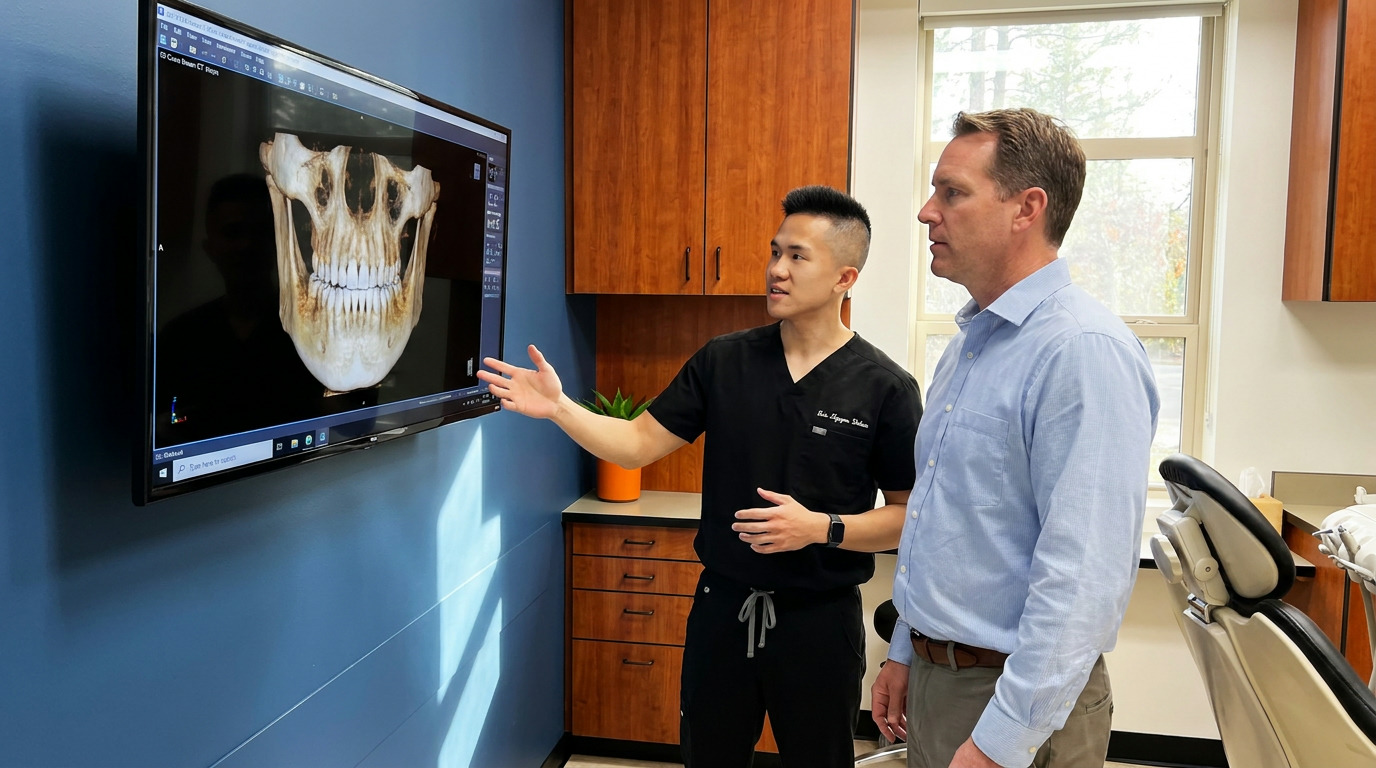
A dentist in black scrubs points at a 3D jawbone scan on a TV screen while a man in a light blue shirt stands next to him in a modern dental office.

Why Bone Grafting Is Necessary

Bone grafting becomes necessary when there isn't enough healthy jawbone to support a dental implant or other restorative procedures. This often occurs due to tooth loss, gum disease, trauma, or developmental issues. A strong, dense jawbone is paramount for the stability and longevity of any dental implant. Without it, an implant might fail, or other teeth could become unstable.

Cameron learned that his missing molar had led to bone resorption over time. Dr. Nguyen explained that the bone where his tooth once sat naturally began to shrink without the stimulation of the tooth root. This common phenomenon is why bone grafts are so frequently recommended for patients seeking permanent tooth replacements.

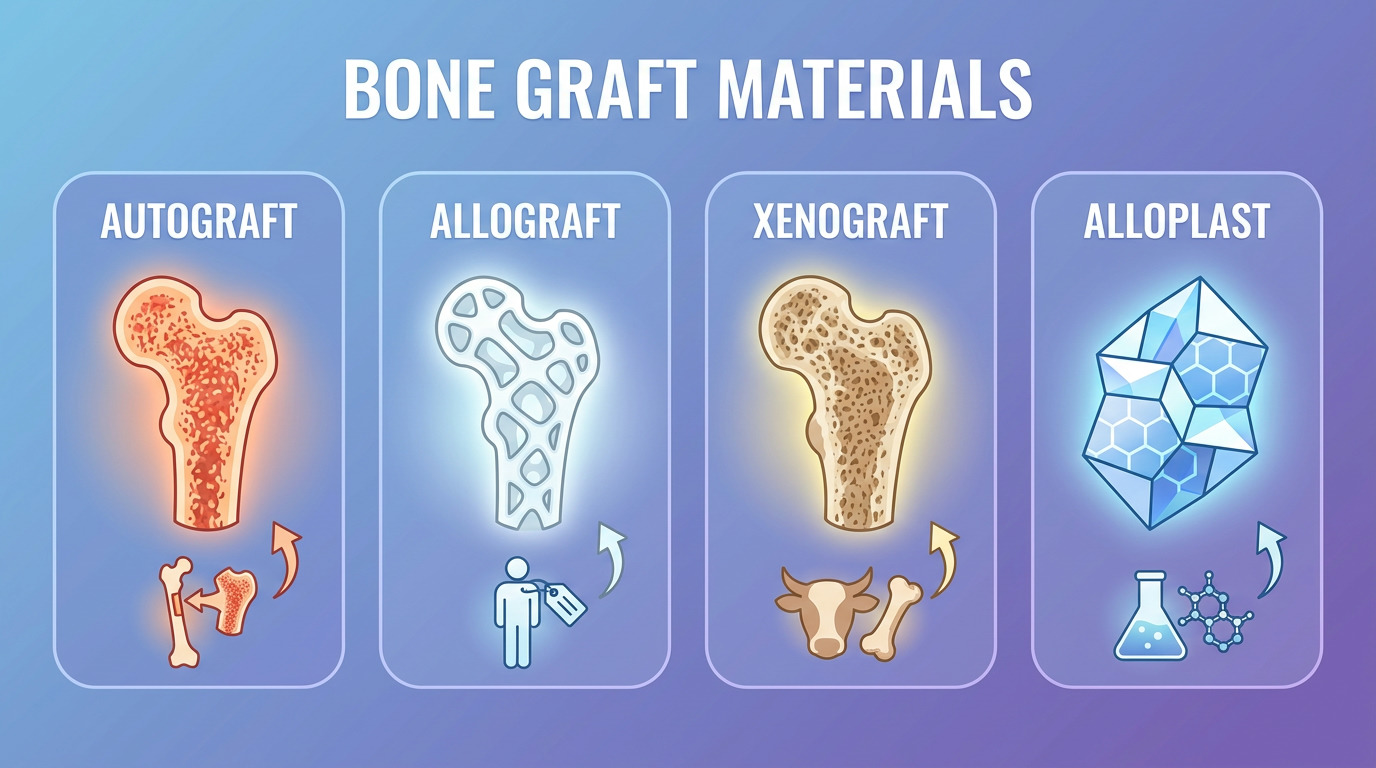
Different types of bone graft materials are available, each suited for specific situations. Dr. Nguyen meticulously explained the various options and their origins. This detailed explanation helped Cameron feel more comfortable with the upcoming procedure.

Types of Graft Materials

  • Autograft: Bone harvested from another part of the patient's own body, offering excellent compatibility and minimal rejection risk.
  • Allograft: Bone obtained from a human donor, which has been processed to ensure safety and sterility.
  • Xenograft: Bone material sourced from an animal, typically bovine, also carefully processed for safe use.
  • Alloplast: Synthetic bone material, often made from calcium phosphate, providing a biocompatible scaffold for new bone growth.
An infographic displays four types of bone graft materials: Autograft (bone from self), Allograft (bone from another person), Xenograft (bone from animal), and Alloplast (synthetic material).

Am I a Bone Graft Candidate?

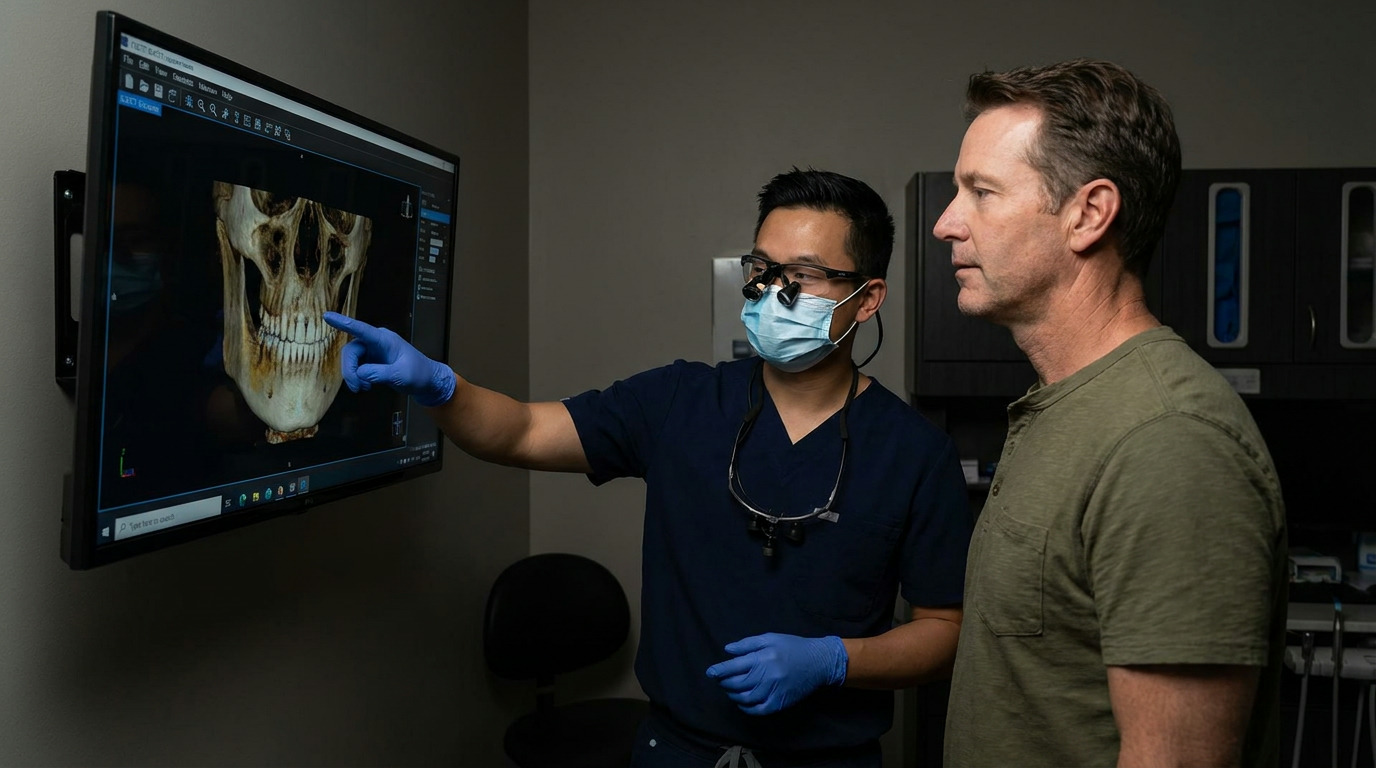
Determining candidacy for a dental bone graft involves a thorough evaluation of a patient's overall oral health, medical history, and the specific condition of their jawbone. Dr. Eric Nguyen uses advanced imaging, like 3D cone-beam computed tomography, to accurately assess bone density and volume. This detailed assessment allows him to develop a precise treatment plan tailored to each individual patient's needs. For Cameron, the imaging clearly showed insufficient bone height, but otherwise, he was in good general health, which made him an ideal candidate.

Several factors influence whether someone is suitable for a bone graft. Patients must typically be in good general health and free of active oral infections. Smoking can significantly impair healing, so Dr. Nguyen often advises patients to cease smoking before and after the procedure for optimal results. Any existing gum disease must also be treated prior to grafting.

Cameron expressed concerns about his mild high blood pressure, but Dr. Nguyen assured him that, with it well-controlled, it would not be a barrier. He reminded Cameron of the importance of sharing all medical history during his consultation. This transparency ensures the safest possible procedure and recovery.

Key Candidacy Considerations

  • Overall Health: Good general health is crucial, especially managing chronic conditions like diabetes or heart disease.
  • Oral Hygiene: Patients must demonstrate a commitment to excellent oral hygiene to prevent infection.
  • Bone Defect Size: The extent of bone loss dictates the type and complexity of the graft needed.
  • Medication Review: A comprehensive list of all medications, including supplements, is essential for review.
  • Smoking Status: Smoking can compromise healing and increase the risk of complications.
A dentist in scrubs, mask, and loupes points to a 3D skull scan on a monitor while a man in a green shirt looks on in a dimly lit room.

What Does the Procedure Involve?

The dental bone graft procedure is typically performed in the dental office, often with local anesthesia and sometimes with additional sedation dentistry options for patient comfort. Dr. Eric Nguyen begins by making a small incision in the gum tissue to expose the underlying jawbone. The chosen grafting material is then carefully placed in the area of bone deficiency. This material acts as a scaffold, stimulating the body's natural bone regeneration process.

Cameron opted for oral conscious sedation, feeling it would help him relax during the procedure. Dr. Nguyen placed a xenograft material, which he explained would gradually be replaced by Cameron's own new bone over several months. He meticulously covered the graft with a protective membrane, sometimes secured with tiny tacks, to encourage proper healing.

After placing the graft, the gum tissue is gently repositioned and sutured closed. The entire procedure is typically straightforward, with the most significant part being the waiting period for the bone to heal and integrate. Dr. Nguyen assured Cameron that he would experience minimal discomfort during the procedure itself. The focus then shifts to the body's amazing capacity for natural regeneration.

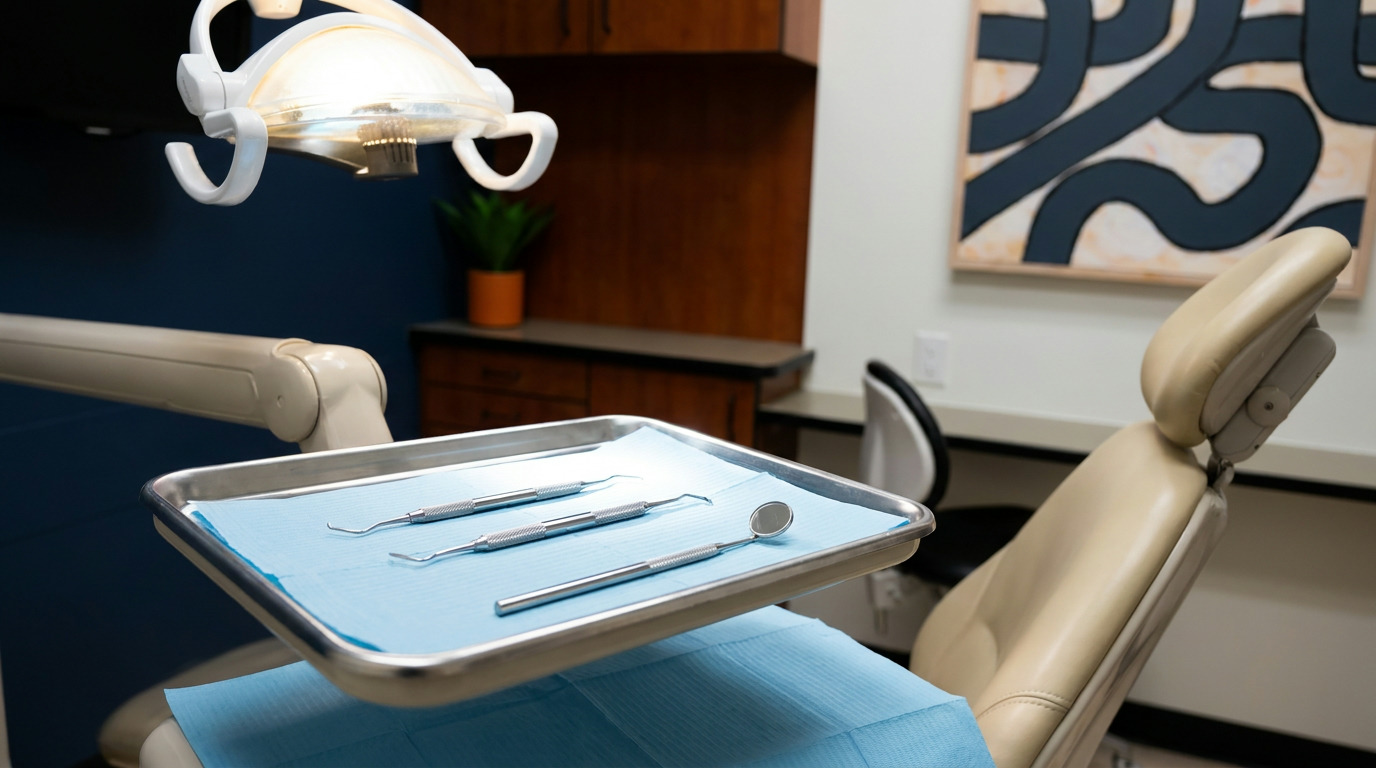
A dental operatory features a beige dental chair, a bright overhead light, and a tray with three dental instruments on a blue paper cover, with dark blue walls and abstract art in the background.

Schedule Your Bone Grafting Consultation

Considering a dental bone graft or dental implants? Contact Advanced Dental & Implant Center in Monument, CO, to schedule a consultation with Dr. Eric Nguyen. He will assess your individual needs, discuss all your options, and create a personalized treatment plan to rebuild your smile.

Dental Bone Graft Recovery Explained

Recovery from a dental bone graft requires patience and adherence to post-operative instructions for optimal healing. Immediately following the procedure, patients can expect some swelling, bruising, and mild discomfort, which can usually be managed with prescribed or over-the-counter pain medication. Dr. Eric Nguyen provides detailed guidance on care, including diet restrictions and hygiene practices, to ensure a smooth recovery. Cameron received a comprehensive aftercare sheet and had all his questions answered before leaving the office.

The initial healing phase typically lasts about one to two weeks, during which patients should avoid disturbing the surgical site. A soft diet is recommended, and strenuous physical activity should be limited to prevent complications. Dr. Nguyen also advised Cameron to use an antimicrobial mouthwash to keep the area clean and reduce the risk of infection. He stressed that diligent aftercare is critical for successful bone integration.

Full integration of the graft with the natural jawbone can take anywhere from three to nine months, sometimes longer, depending on the individual and the extent of the graft. This waiting period is essential as it allows the new bone to become strong enough to support a dental implant. During this time, Dr. Nguyen will monitor the healing process with follow-up appointments and X-rays.

Post-Operative Care Guidelines

  • Pain Management: Take prescribed pain medication as directed and use over-the-counter options if pain is mild.
  • Dietary Restrictions: Stick to soft foods for the first few days, gradually reintroducing firmer foods as comfortable.
  • Oral Hygiene: Gently rinse with a prescribed antimicrobial mouthwash; avoid brushing directly on the surgical site initially.
  • Activity Limitation: Rest is important; avoid strenuous exercise for at least 48-72 hours.
  • Swelling Reduction: Apply an ice pack to the outside of the cheek for 15-20 minutes at a time during the first 24-48 hours.
Cameron sits on a sofa in a living room, holding a striped cloth to his cheek, with an open book and mug on a coffee table.

Potential Risks and Complications

While dental bone grafting is a safe and routine procedure, like any surgery, it carries a few potential risks and complications. Dr. Eric Nguyen discusses these thoroughly with each patient, ensuring they are fully informed before proceeding. The most common issues are mild and temporary, such as swelling, bruising, or discomfort, which typically resolve within a few days. Cameron appreciated the detailed discussion about potential risks, feeling better prepared for what might occur.

More serious, though rare, complications can include infection at the graft site, nerve damage (often temporary), or failure of the graft to integrate successfully. Graft failure means the body does not accept the new bone material, which can lead to the need for a repeat procedure. Dr. Nguyen emphasizes that adhering to post-operative instructions significantly reduces the risk of complications. Proper care means better outcomes.

Patients should be vigilant for signs of unusual complications, such as persistent or worsening pain, excessive swelling after the first few days, pus, or a foul taste in the mouth. Dr. Nguyen instructs patients to contact Dr. Eric Nguyen or his team at Advanced Dental & Implant Center immediately if they experience any concerning symptoms. Early intervention is key if an issue arises, ensuring patient safety and treatment success.

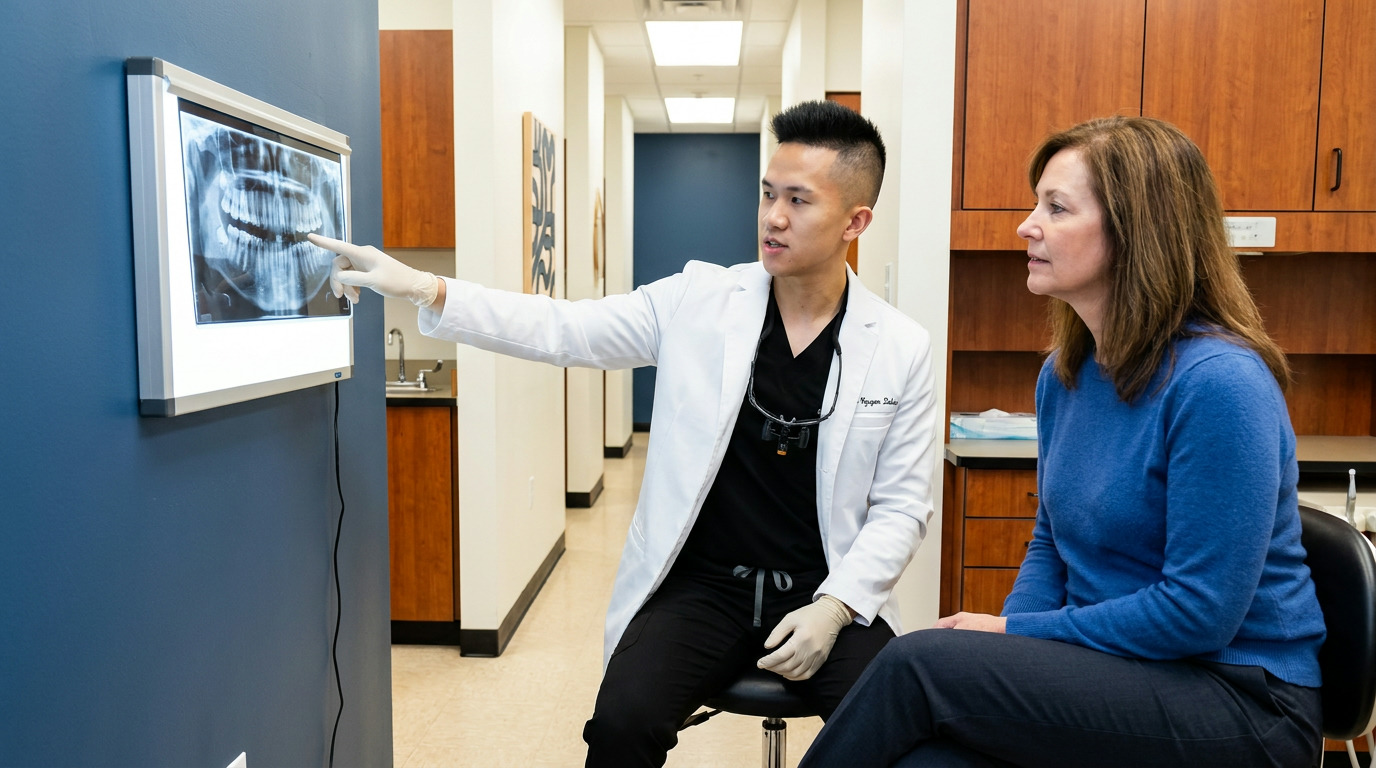
A dentist in a white lab coat and black scrubs points to a dental X-ray on a light box while a patient in a blue sweater sits and listens in a dental office.

What Happens After Healing?

Once the dental bone graft has fully integrated and the jawbone has sufficiently regenerated, the next phase of treatment can begin. This typically means proceeding with the placement of a dental implant, which requires another minor surgical procedure. Dr. Eric Nguyen will take new imaging to confirm that the bone is robust and dense enough to securely anchor the implant. Cameron was eager for this next step, looking forward to finally completing his smile.

The timing for implant placement varies, but it usually occurs several months after the graft. This waiting period ensures the new bone is mature and strong. After the implant is placed, it will also need time to osseointegrate, or fuse with the bone, before a crown can be attached. This critical step ensures the implant functions like a natural tooth root. For Cameron, the thought of a stable, permanent tooth was the ultimate goal.

Throughout this entire multi-stage process, regular follow-up visits with Dr. Nguyen are crucial. These appointments allow him to monitor healing, assess progress, and ensure every step is proceeding as planned. The journey from bone graft to a fully restored tooth is a commitment, but the lasting benefits of a healthy, complete smile are invaluable. He explained that a properly placed implant could last many decades.

Next Steps After Successful Graft Integration

  • Imaging Review: Dr. Nguyen will use X-rays or 3D scans to confirm adequate bone density and volume.
  • Implant Placement: A small titanium post will be surgically placed into the newly regenerated jawbone.
  • Osseointegration Period: The implant will fuse with the bone over several months, creating a strong anchor.
  • Abutment Placement: A connector piece, called an abutment, will be attached to the implant.
  • Crown Attachment: A custom-made dental crown will be placed onto the abutment, completing the restoration.
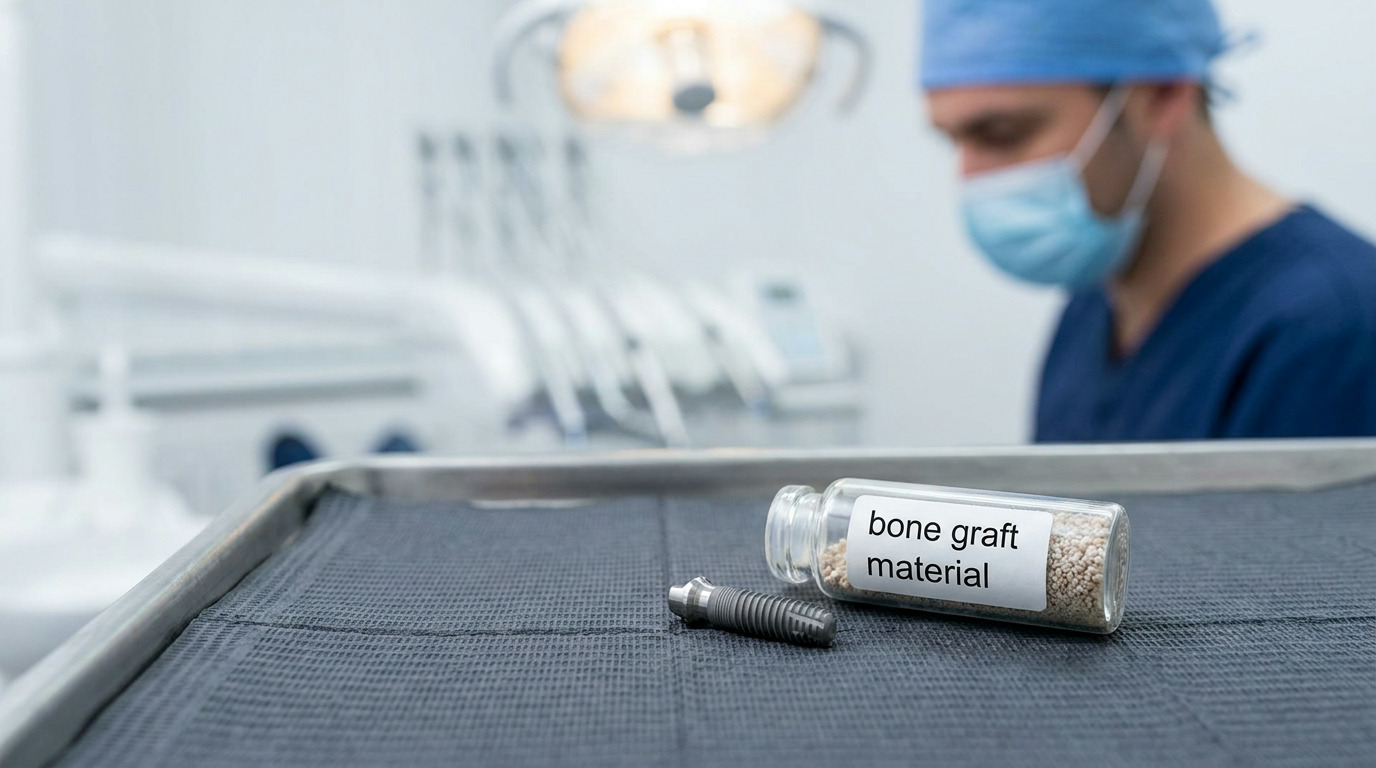
A titanium dental implant post and a vial of bone graft material sit on a gray medical tray, with a masked person in blue scrubs blurred in the background of a dental operatory.

Rebuilding Your Smile's Foundation

The decision to undergo a dental bone graft is a significant step toward restoring oral health and achieving a complete, functional smile. It demonstrates a proactive commitment to long-term well-being, paving the way for restorative solutions like dental implants that truly transform lives. The process, while requiring patience, is a testament to modern dentistry's ability to overcome challenges like bone loss.

Dr. Eric Nguyen and his team at Advanced Dental & Implant Center are dedicated to guiding each patient through every phase with expertise and compassion. Cameron’s journey from initial apprehension to understanding the value of a bone graft was a common one. After his successful graft and several months of diligent healing, he was ready for his dental implant placement. He reflected on how the clear explanations and steady support from Dr. Nguyen’s office made a seemingly daunting procedure manageable. He now understands that investing in a strong foundation is essential.

With his new implant now firmly integrated and a beautiful crown soon to be placed, Cameron feels a renewed sense of confidence. He can look forward to eating his favorite foods without worry and smiling broadly without self-consciousness. His experience underscores that understanding the process, embracing the recovery, and trusting an expert like Dr. Nguyen makes the path to a healthier smile a rewarding one.

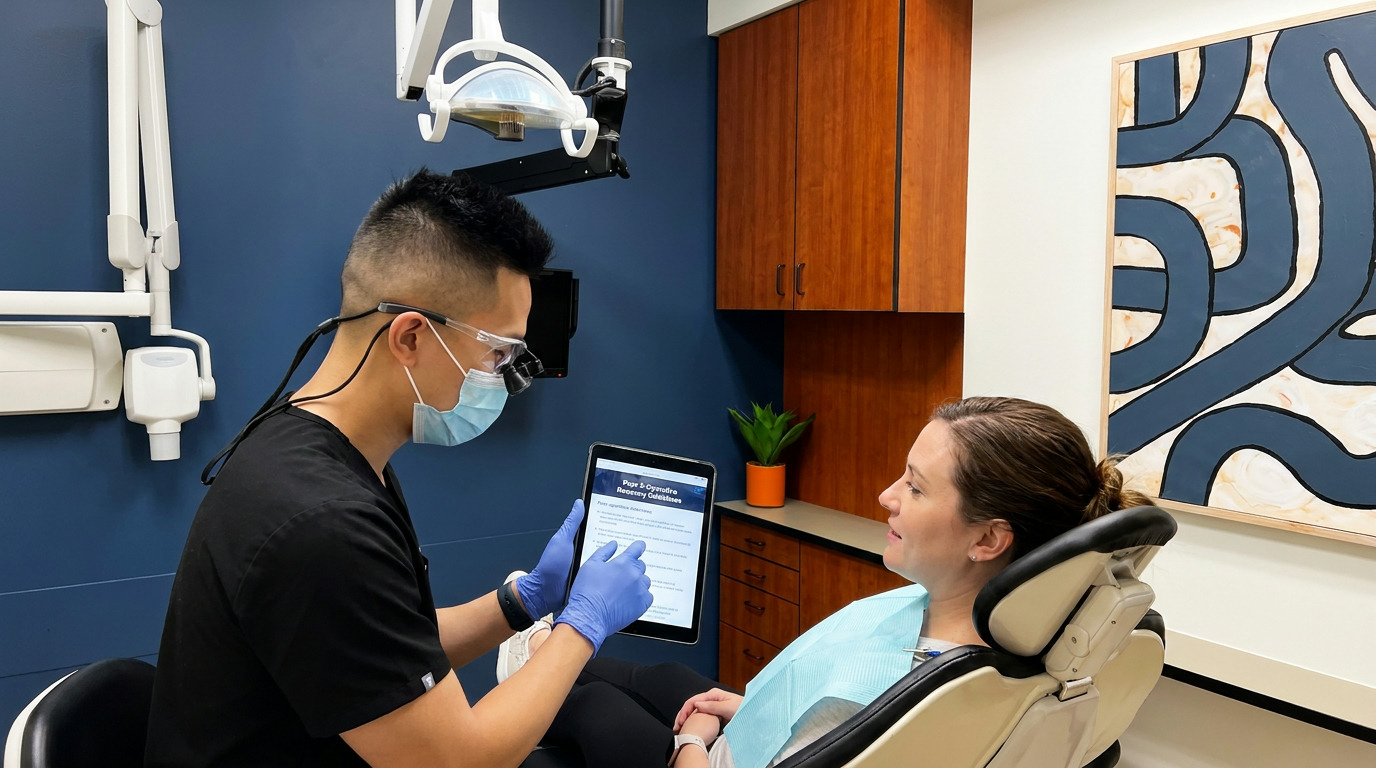
A dentist in scrubs, mask, and loupes shows a tablet with recovery guidelines to a patient in a dental chair.
Categories:
No items found.

Frequently Asked Questions

1. Does a dental bone graft hurt?
During the procedure, patients receive local anesthesia, so they generally feel no pain. Afterward, some discomfort, swelling, and bruising are common but can typically be managed with prescribed pain medication and over-the-counter options. Dr. Eric Nguyen ensures patient comfort throughout.

2. How long is dental bone graft recovery?
Initial healing, including managing swelling and discomfort, usually takes 1-2 weeks. However, the complete integration of the graft with your natural jawbone, which is crucial before placing an implant, can take 3 to 9 months, depending on the graft type and individual healing.

3. What can I eat after a bone graft?
Immediately after the procedure, Dr. Eric Nguyen advises sticking to a soft diet, such as soups, yogurt, and mashed potatoes. As healing progresses, you can gradually reintroduce firmer foods, but it's important to avoid chewing directly on the graft site until it has fully healed.

4. Are dental bone grafts successful?
Dental bone grafts have a very high success rate when performed by an experienced professional like Dr. Eric Nguyen and when patients follow post-operative care instructions diligently. Success depends on proper healing and the body's ability to integrate the new bone material effectively.

5. Can bone graft surgery fail?
While uncommon, bone graft surgery can sometimes fail to integrate with the jawbone, often due to infection, poor healing, or insufficient blood supply. Dr. Eric Nguyen carefully assesses each patient's health to minimize these risks and provides thorough aftercare guidance.

6. Do I need a bone graft for every dental implant?
Not every dental implant requires a bone graft. A graft is only necessary if there isn't sufficient natural jawbone density or volume to securely support the implant. Dr. Eric Nguyen will determine your specific needs through detailed examination and imaging.

Book Your Appointment Today

New patients are always welcome. Reach out online or give us a call to get started.

Thank you for booking your appointment!

We've received your request and will contact you soon to confirm the details. We look forward to seeing you at Advanced Dental & Implant Center.

Oops! Something went wrong while submitting the form.

Pay Your Bill {{si}}Online{{/si}}

Pay your bill quickly and securely from the comfort of your home. We make it easy to stay on top of your payments.

Financing Options Offered:
  • Quick & Convenient

  • Secure Payments

  • Multiple Payment Options

  • Easy Payment History

Scan To Pay

Scan the QR code with your smartphone to complete your payment in just a few moments.

Scan this QR code with your smartphone to securely pay your bill online at Advanced Dental & Implant Center
Pay Online Now →
Related Blog Posts

Stay Informed with Expert Insights & Tips About Dental Care

Cameron sits at a wooden table in a sunlit kitchen, holding a spoon with food near his mouth, with a bowl, mug, and newspaper on the table.
10.7.2026

What to Know Before Your Dental Bone Graft

Dental bone grafting rebuilds jawbone foundation for implants, requiring evaluation, procedure, and careful recovery for long-term oral health.

Sarah, wearing a brown robe with her hair in a messy bun, looks into a bathroom mirror, lifting her upper lip with her finger to inspect her teeth with a concerned expression.
9.3.2026

Are Whitening Strips Bad for Your Teeth?

Improper use of whitening strips can cause temporary tooth sensitivity and gum irritation, but professional guidance ensures safe, effective brightening.

Jason, a man in his early 40s, wearing a navy crewneck, smiles happily while packing a lunch at a sunny kitchen island.
7.7.2026

Is Professional Teeth Whitening Worth It?

Discover if professional teeth whitening is worth it! Learn why teeth discolor, how professional methods work, and Jason's journey to a brighter smile.