1. Q: Can I remove tartar myself at home?
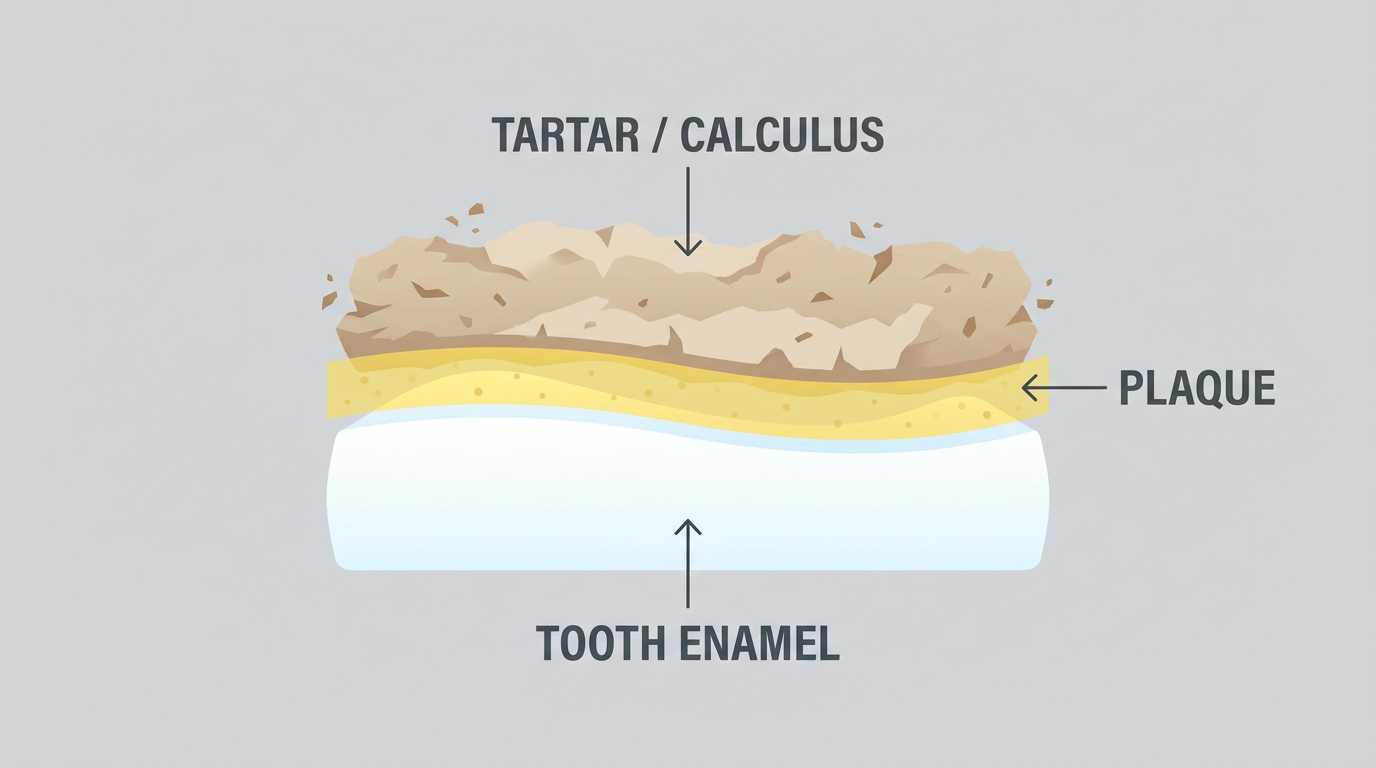
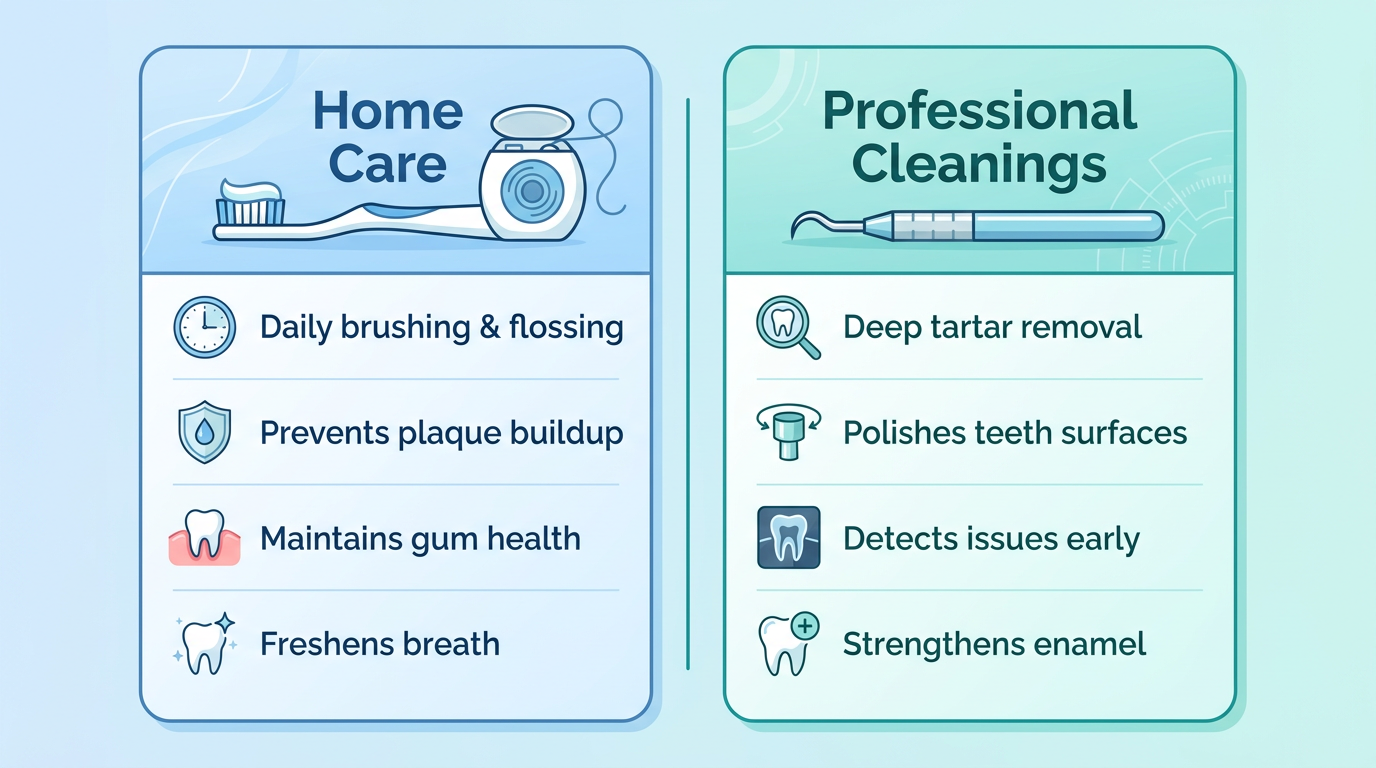
A: Unfortunately, once plaque hardens into tartar (calculus), it forms a strong bond to your tooth enamel and cannot be removed with regular brushing or flossing at home. Professional dental tools and techniques are required to safely and effectively remove tartar without damaging your teeth.
2. Q: What happens if tartar isn't removed?
A: If tartar is left untreated, it can lead to several oral health problems. It creates a rough surface for more plaque to accumulate, which can irritate your gums, leading to gingivitis (gum disease). Over time, this can progress to more severe gum disease, lead to cavities, and even contribute to tooth loss. Regular dental cleanings are crucial for prevention.
3. Q: How often do I need a professional dental cleaning to remove tartar?
A: For most individuals, we recommend professional dental cleanings every six months. However, if you have certain risk factors for gum disease or a tendency for rapid tartar buildup, Dr. Hill might recommend more frequent visits. Your personalized treatment plan will be discussed during your exam.
4. Q: Is tartar removal painful?
A: Many patients are concerned about discomfort, but tartar removal (or scaling) is generally not painful. Our skilled hygienists use gentle techniques to remove the buildup. If you have sensitive teeth or gum inflammation, we can discuss options for local anesthetic or sedation dentistry to ensure your comfort during the procedure.
5. Q: Does dental insurance cover tartar removal?
A: Most dental insurance plans provide coverage for preventive care, which typically includes routine dental cleanings and exams, meaning a portion, if not all, of your tartar removal will likely be covered. We recommend contacting your insurance provider directly for specific details regarding your plan's benefits, or our office team can assist you with this.
6. Q: Can tooth whitening remove tartar?
A: No, teeth whitening treatments target stains on the tooth surface to lighten their shade, but they do not remove tartar. Tartar is a calcified deposit that requires physical removal by a dental professional. For the best results, Dr. Hill often recommends having tartar removed before any whitening procedures to ensure an even tone.

.png)








.png)